The UK is set to rejoin the EU Erasmus student exchange programme
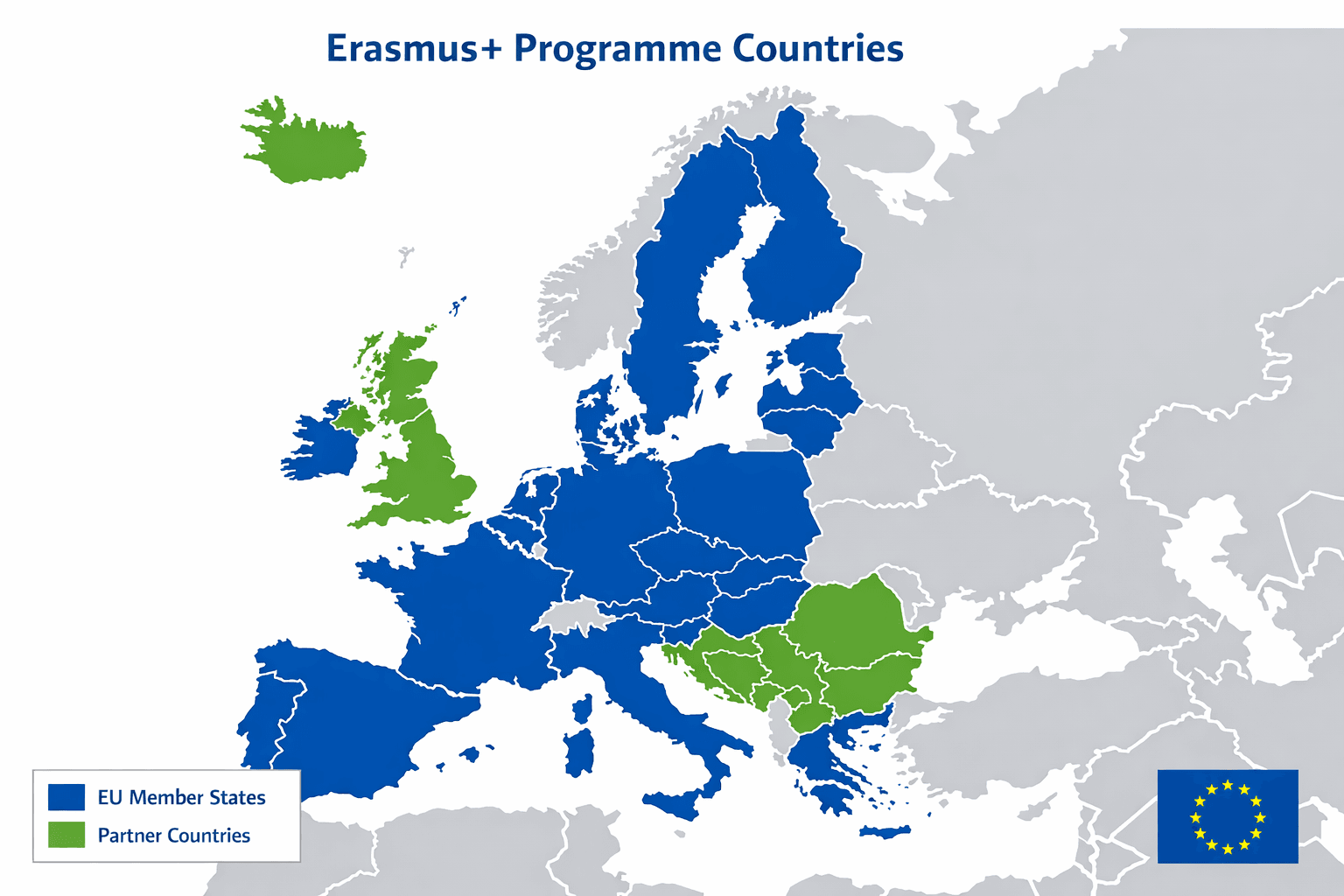
The UK government has confirmed that the United Kingdom will rejoin the European Union’s Erasmus student exchange programme from January 2027, which marks a significant step in educational and cultural collaboration with the EU post-Brexit. While there is some debate about the cost, this decision will restore access to one of the most successful mobility programmes in Europe, with benefits for skills development, employability and international cooperation.
What is Erasmus?
Erasmus is the EU’s main programme for education, training and cultural exchange. It was once associated mainly with university study abroad, but now it supports mobility in higher education, vocational training, schools, adult learning, youth work and sport. This allows students, apprentices, teachers, lecturers, youth workers and sports coaches to live, learn or teach in another European country.
The UK participated in Erasmus until 2020, when it was replaced by the Turing Scheme. While Turing offered more global opportunities, it didn’t provide the same opportunities for European students and staff to come to the UK.
Key details of the UK’s rejoining
From the 2027/28 academic year:
UK students will be able to study, train or work in participating European countries.
The UK’s first-year contribution is expected to be £570 million, which includes a 30% discount compared with the usual non-EU fees.
British participants will pay domestic tuition fees, with grants available for living costs. EU students will enjoy the same terms in the UK.
Funding will support placements not only for university students, but also for school groups, apprentices and further education students, including those who may not have travelled abroad previously.
Opportunities for students
Modern Erasmus extends beyond higher education, providing mobility for:
University undergraduates and postgraduates
Apprentices and vocational learners
Teachers, youth workers and educational staff
Participants gain independence, practical skills, language development, and professional experience. Living abroad also encourages people to get involved with local communities, use public transport, and experience cultural life – giving a deeper immersion that benefits both travel and learning.
Wider significance
The Erasmus programme provides clear economic and social advantages. Participants return with stronger CVs, confidence, and skills that employers value. European students and staff who visit the UK contribute to local economies, while establishing lasting professional and cultural connections.
Each exchange also encourages understanding and positive relations between countries. European students and staff living in the UK gain first-hand experience of the country, which can influence future careers, partnerships, and long-term collaboration – benefits that far outweigh the initial costs.
Planning ahead
Students and institutions should plan early by talking to universities, colleges and training providers about placements and preparation. Good organisation helps students focus on learning and cultural experiences, making the most of Erasmus.
Planning is essential for a successful Erasmus trip, from travel and accommodation to budgeting. Blue Stamp Travel supports schools and groups with safe, tailored trips that maximise both study and cultural opportunities abroad. Find out more about our bespoke trips for schools and groups.