
Insurance, GHIC and Health Advice
Everything you need to know about travel insurance, GHIC and health for your trip with Blue Stamp Travel

Insurance, GHIC and Health abroad
Travelling abroad is exciting, but you need to be prepared in case you or a member of your group falls ill abroad. The advice on this page is aimed at helping travellers from the UK put the necessary preparations in place. It covers travel insurance, GHIC cards and how to find out about potential health problems in your destination.
GHIC FAQs
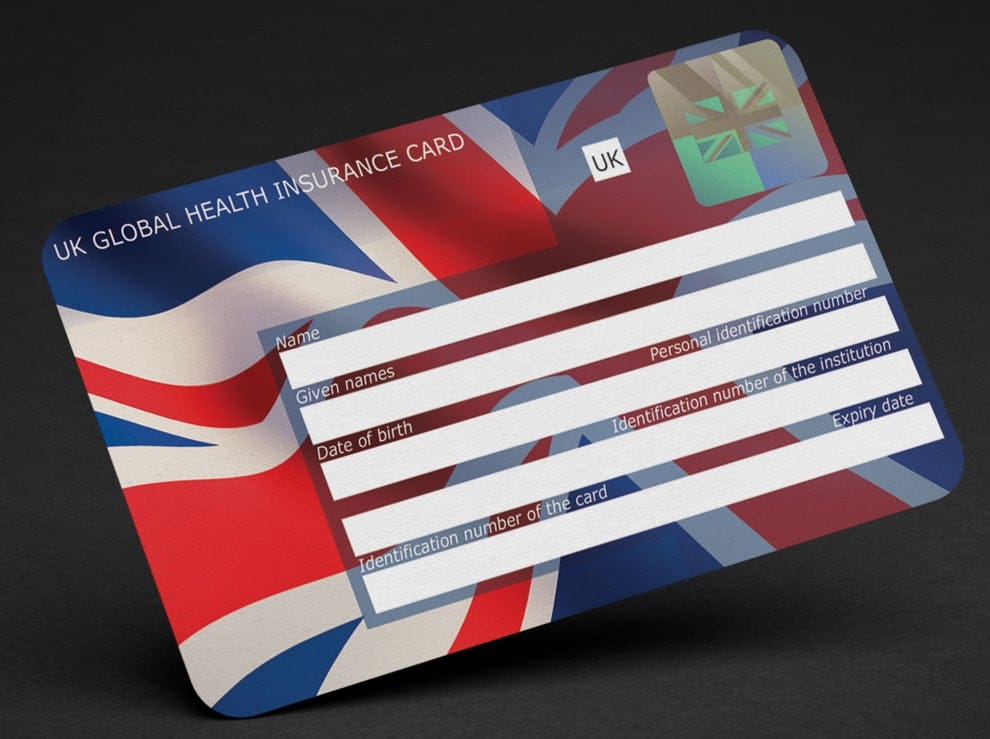
GHIC refers to the UK Global Health Insurance Card, which is issued by the UK Government. It allows travellers from the UK get necessary state healthcare in the European Economic Area, and some other countries, on the same basis as a resident of that country. Healthcare may be provided for free, or you may be required to pay a fee on the same basis as a citizen of the destination country.
GHIC cards are not required for entry into the EU/Schengen area, but we strongly advise obtaining one before you travel.
Visit the NHS website to apply for a free card. You can apply for a new card up to 9 months before your current card expires.
You will need to provide the following information:
- full name
- address
- date of birth
- National Insurance number
- Health and Care number (if you’re from Northern Ireland)
GHIC cards are free. Unfortunately, some organisations operate scams to trick people into paying for cards. We advise that you only use the official NHS website to apply for a GHIC card. Do not trust any other websites offering GHIC cards.
No. Each individual traveller requires their own GHIC card. You can apply for GHIC cards on behalf of family members.
You can add family members such as your children when requesting a card for yourself.
If you already hold a GHIC card and wish to request a new card for a child, contact NHS Overseas Healthcare Services
The NHS advises that it usually takes around 15 days to receive a GHIC card from the date they confirm receipt of your application. However, this may be longer at busy times of year, so we advise applying as early as possible.
A GHIC card is valid for up to five years. You can apply for a new card up to nine months before your current card expires.
The GHIC covers:
- emergency treatment and visits to A&E
- treatment or routine medical care for long-term or pre-existing medical conditions
- routine maternity care, as long as you’re not going abroad to give birth
If you require ongoing treatment for a medical condition, we strongly advise you check the level of provision in your destination country. The NHS Country Guide contains detailed information for all countries where the GHIC is acccepted.
The GHIC does not cover:
- being flown back to the UK (medical repatriation)
- treatment in a private medical facility
- ski or mountain rescue
As medical repatriation can be extremely expensive, we strongly advise taking out travel insurance to cover the duration of your stay.
If you still hold a valid EHIC, you can use that while travelling in countries where it is accepted. However, if you are a UK citizen, you will not be able to renew an EHIC and will instead need a GHIC.
Travel Insurance FAQs
We strongly advise taking out travel insurance to cover your stay abroad. A GHIC card may only cover limited levels of care in your destination country and healthcare costs can become very expensive very quickly. If you should fall seriously ill and require repatriation to the UK, the costs could amount to hundreds of thousands of pounds. For these reasons, travel insurance is a must while travelling abroad.
We offer travel insurance through Guard.Me, a leading provider of travel insurance, at very reasonable rates to cover you while abroad.
If you prefer to arrange your own policy, the usual price comparison websites are a good place to start.
Any Blue Stamp Travel trip that includes a work placement is automatically covered by Guard.Me insurance, so you do not need to arrange additional insurance for your trip. This covers:
- Work Experience Abroad
- Work and Study
- Internships Abroad
- Au Pair and Study
Other trip types do not automatically come with travel insurance.
We are happy to provide Guard.Me insurance for your group trip at very reasonable rates.
Healthcare abroad FAQs
Every country has a unique healthcare system. You should inform yourself before travelling on how to access emergency and non-emergency healthcare in your destination country. The UK Government travel advice website is the best place to start:
If you are travelling to another destination, consult the full list of travel advice for all countries.
Visit the Foreign Travel Advice webpage of the UK Government, which provides a trustworthy source of information on current issues related to health in countries all around the world.
If you are travelling to the EU/Schengen area, it is unlikely that you will require any additional vaccinations other than those which are considered necessary in the UK.
The NHS provides detailed information on travel vaccinations and links to up-to-date and trustworthy sources of information.
Certain work placements, such as those working with children, may require evidence of vaccinations. We will contact you in advance of your placement with guidance on how to provide the necessary evidence.