To many people, the phrase “student residence” conjures up images of grotty carpets, central heating that was either arctic or tropical, and a rowdy bar. However, that image belongs firmly in the past – a bit like the poster of Jimi Hendrix which I hung up in a desperate attempt to look cool. Modern student residences are smart, attractive and well equipped and can be a great option for individuals and groups travelling to Europe and further afield.
In this blog post, we take a look at what you can expect from residence accommodation, the facilities on offer, the pros and cons, and advice on considering residence accommodation for your next trip.
Modern Student Residences
Across Europe and the world, construction of student residences continues to grow, driven by the growth in student numbers, greater student mobility and initiatives by urban planners to encourage students to live in dedicated accommodation to free up housing for families and other residents. As such, a glut of new residences have become available in recent years, and more are being opened every day.
One of the biggest players in the market is Yugo, which operates 220 residences in 120 cities around the world. Smaller players are emerging all the time too, such as Stephouse, which has opened four residences in Madrid alone in recent years and has plans to expand to other EU nations.
While the target market for these residences remains students in full-time higher education, they often accommodate individual travellers or groups for shorter stays, especially out of term time. Most of your fellow residents will be aged 18–25, so for individual travellers, it can be a great way to meet young people of your age while staying abroad.

Rooms and Facilities
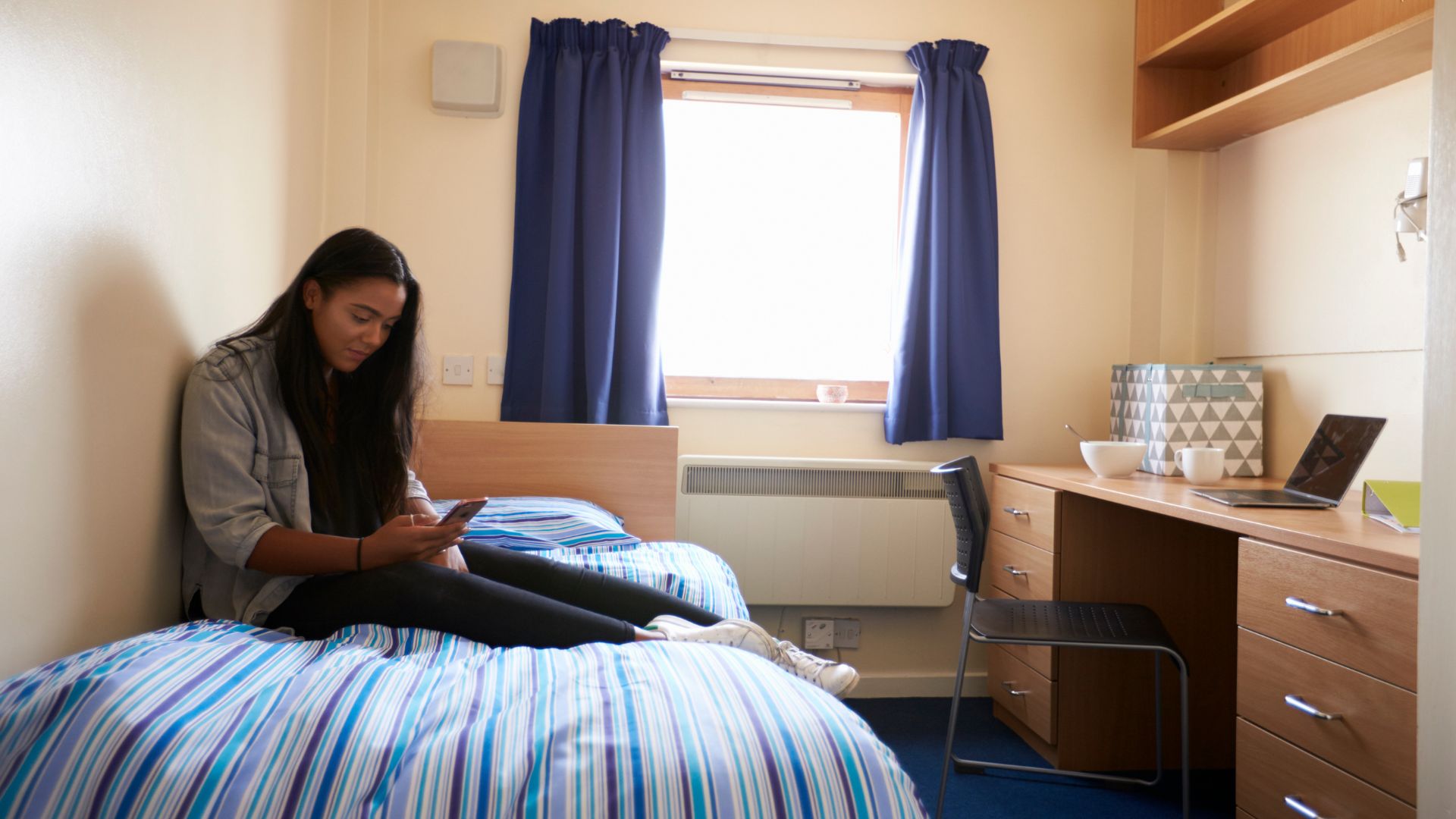
Modern residences are smart, well appointed and the rooms would not look out of place in a mid-range hotel. Most residences offer single rooms, but some provide twin rooms, which can be attractive for groups. In terms of facilities, bigger residences typically offer gyms, roof terraces, social areas, games rooms and quiet spaces for work. You may also be able to book conference rooms for group sessions, though this varies from residence to residence.
Self-catered residences give residents access to large, communal kitchens to prepare meals, along with lockable storage. Some residences also offer half-board or full-board packages, with freshly-cooked meals that cater for different tastes and dietary requirements. Laundry facilities are on hand in almost all residences – a must for longer stays, but also very useful for group leaders and teachers when accidents happen.
At the top end of the market, some residences offer fully equipped suites: think breakfast bars, fold-out TVs, ceramic hobs and lounge areas!
Inside the bedrooms, it is common to find basic cooking facilities such as a kettle, fridge and microwave. There are dedicated workspaces with plenty of sockets, many of which now include dedicated USB power. En-suite bathrooms are standard – long gone are the days of shared bathrooms!

Locations
It will come as no surprise that most student residences are located in areas close to universities. In Europe, you can expect easy access to public transport networks, and in many cases, you will be within walking distance of the city centre.
Drawbacks
So should you request a student residence for your next individual language course or school trip abroad? Well, it’s clear there are many reasons why staying in a student residence is a great choice. However, there are potential drawbacks for you to weigh up when planning your trip:
- Price – student residences can cost much more than homestay or hostel accommodation, sometimes up to two or three times as much per night.
- Availability – despite the growth in capacity, spaces in student residences are in high demand. Book early.
- Meals and catering – a self-catered residence might be perfect for a solo traveller, but groups may require at least bed and breakfast.
- Single rooms – younger or less experienced travellers might benefit from sharing a room with one or more peers, but twin rooms are not always available
- Age limits – some residences may not accept solo travellers aged under 18
- Support and supervision – younger travellers might benefit from the additional support offered by hosts in homestay accommodation
Planning Your Next Trip
If you like the idea of staying in a student residence for your next language trip abroad, get in touch with us and we’ll be happy to advise. You can start by exploring our range of language trips which include residence accommodation. If you’re a school teacher or group leader, send us your trip requirements and we’ll put together a package for an unforgettable experience for your students.