
Spending time abroad is a great way to gain fluency in a foreign language. With a work experience placement, travellers can also develop the soft skills which employers look for.
Why Soft Skills matter for work experience
According to a survey of over 500 UK businesses, two-thirds of employers value soft skills over educational qualifications when hiring. Employers value attributes such as tenacity, drive and interpersonal skills. Of course, academic and professional qualifications still matter, but demonstrating great soft skills can give you the edge when applying for a job.
What’s more, Soft Skills will always be relevant, no matter how quickly technology changes. In a world where AI is rapidly displacing established skills, a strong core of soft skills can make all the difference to career success. A recent post on the Harvard Business Review summed up the importance of soft skills as:
Specialised skills can spike and vanish this quickly, but our findings suggest that the people who ride out each wave shared the same toolkit: strong abilities to problem-solve, clear communication styles, and the ability to work well with teams. These core strengths help workers relearn faster, let companies redeploy talent without starting from scratch, and ultimately anchor performance when the next technology arrives.
Work experience insights
Blue Stamp Travel run regular “mixed group” trips to France and Spain which take students aged 16–18 from across the UK to destinations in France and Spain for week-long work experience placements. At the end of the stay, students complete a short survey of their experiences, including questions about the skills they developed on their placements. Their feedback is a fascinating insight into the value of work experience abroad.
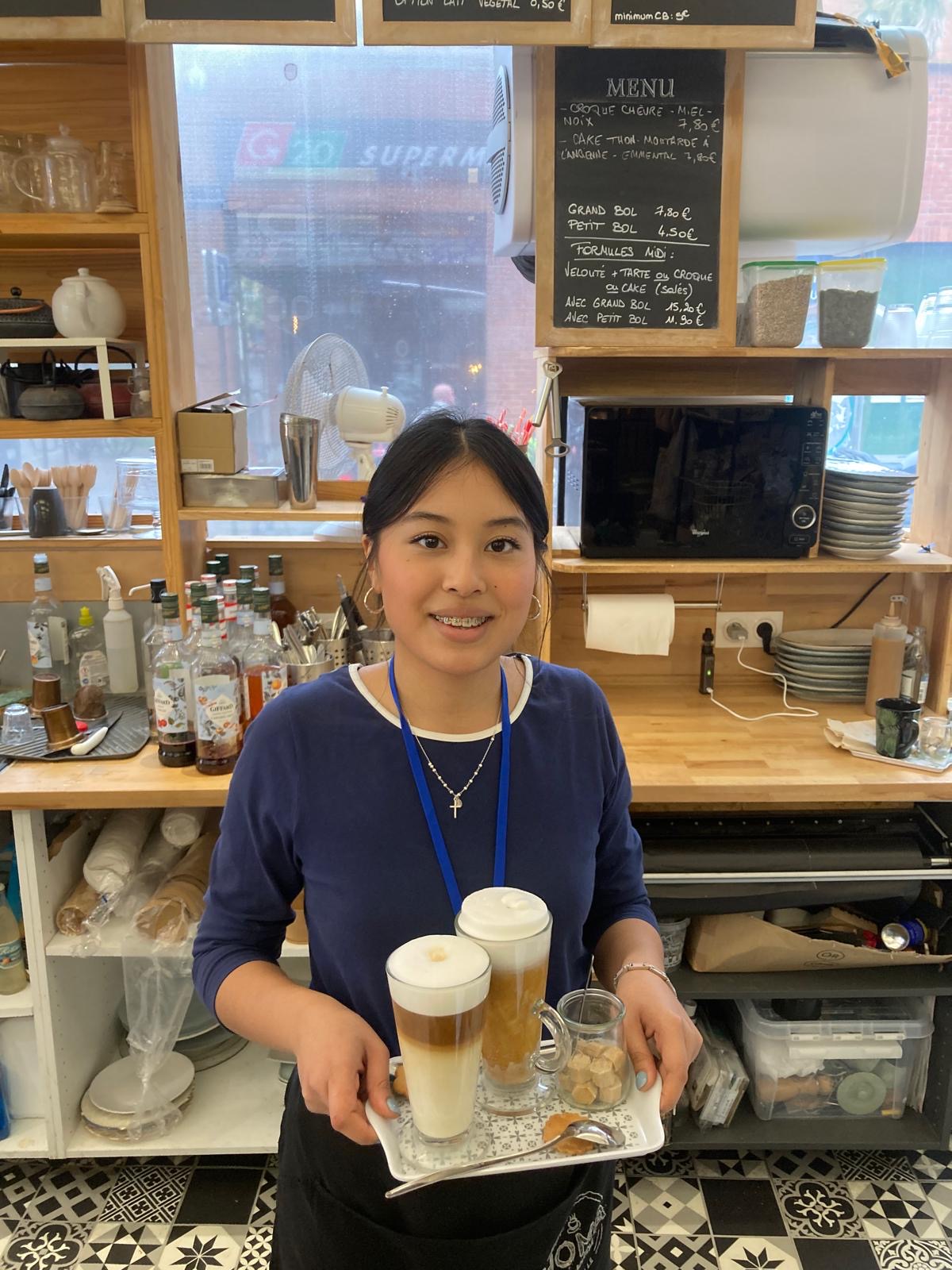
Communication skills
For students who completed work experience placements abroad with Blue Stamp Travel, communication skills were at the top of the list of the skills they developed. It goes without saying that spending a week abroad will improve your language skills, but communication goes far beyond this. Learning how to ask questions, clarify instructions and communicate appropriately in a professional environment are essential skills for the workplace, whether you’re in Alicante or Andover.
As one student put it, “Communication is key”, while others described the benefits of getting to know colleagues, asking questions and speaking to colleagues and customers.
Independence, resilience and adaptability
Three out of every four work experience students said that their placement had helped them become more independent, resilient and adaptable. For many travellers, a Work Experience or Work and Study trip is their first experience of travelling without their family. Navigating around an unfamiliar city, adapting to a new workplace, learning new routines and mastering new vocabulary – in a second language – is a challenge, but taking on that challenge is also an opportunity for growth.
In the survey, students are invited to offer their advice to future travellers. In their responses, phrases such as “be confident” and “don’t be afraid” come up time and again, speaking to the confidence that students gain from the experience of travelling and working independently in a foreign country.
These are all vital skills for the workplace now and in future. The Harvard Business Review advised firms to:
Hire the right candidates. Screen for foundational strengths—like problem-solving, adaptability, and communication—even in specialized roles.
How to gain Work Experience Abroad
Blue Stamp Travel offers two different pathways for students to complete work experience in other countries. The Work Experience Abroad programme runs trips to France and Spain where students from different schools travel under the supervision of a Group Leader. During their stay, the students complete work experience placements with local businesses and organisations. There are typically two trips to each country per year.
For students who want to travel at other times of year, a Work and Study trip combines half-day lessons at a language school and half-day work placements. We offer these trips to France, Spain and Germany for travellers aged 16 and above.