Spain | San Sebastian

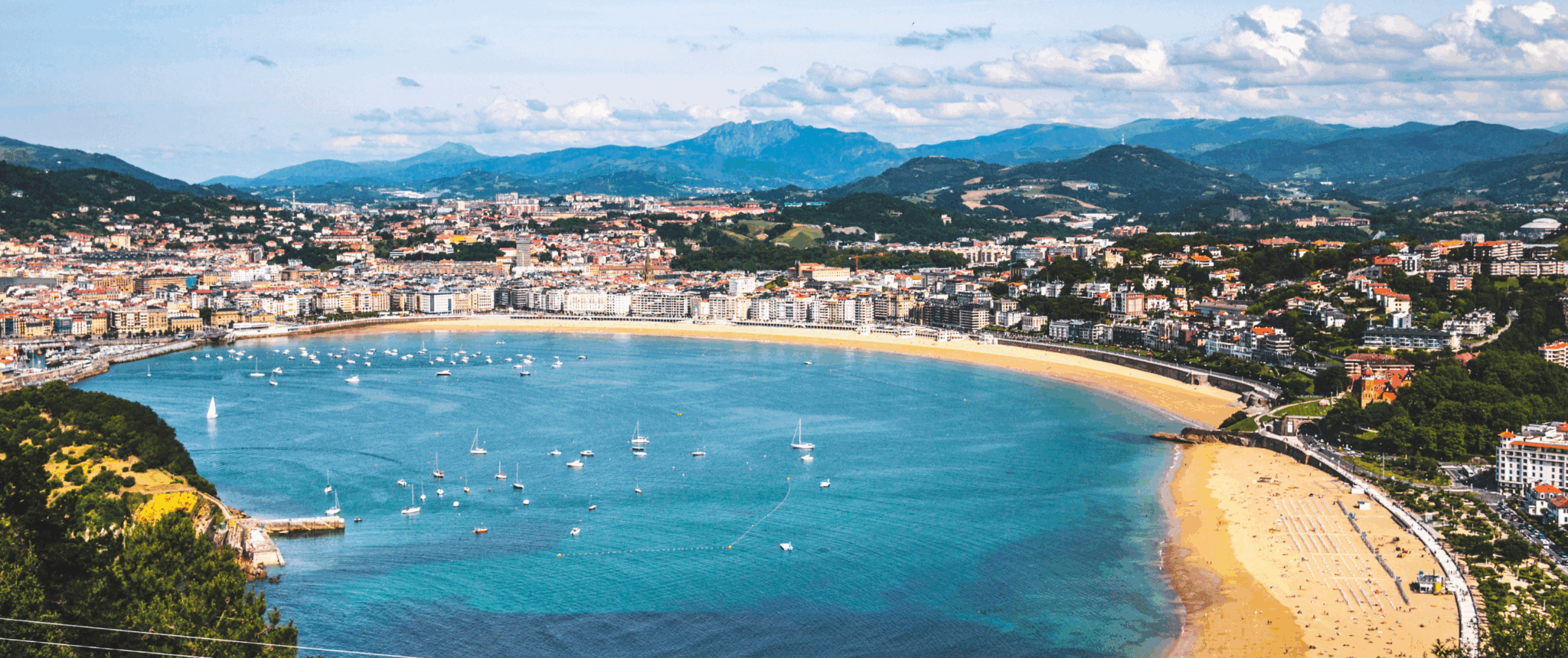
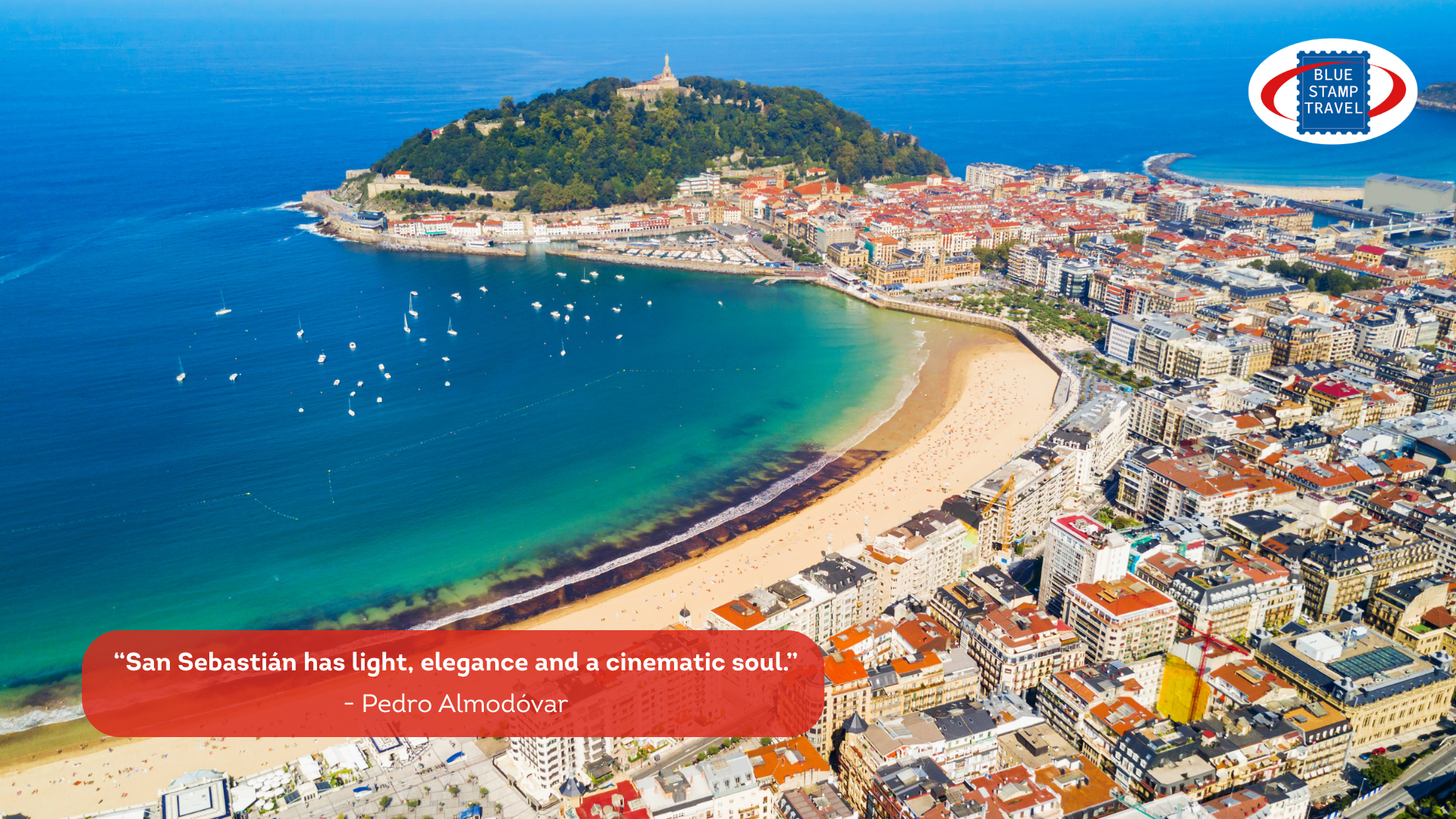
San Sebastian, nestled on Spain’s northern coast in the heart of the Basque Country, is a city that seamlessly blends cultural prestige with laid-back charm. Named the European Capital of Culture in 2016, it’s a place where locals proudly share their traditions, and people of all ages gather to enjoy its lively streets and seaside views.
Known worldwide for hosting the San Sebastian International Film Festival, the city is also a haven for surfers drawn to its rolling waves and beach lifestyle. Food lovers flock here to experience delicious Basque tapas known as “pintxos”, and to dine in a city that boasts the most Michelin Stars per capita in Europe. With its warm atmosphere and unique mix of culture, cuisine, and coastal energy, San Sebastian is a destination that captures the heart of every visitor.
Filter Individual Trips
Group Trips
Planning a group trip to San Sebastian? Contact us to request a bespoke quotation for your itinerary. As specialists in tailor-made trips for school groups, sports teams and educational institutions, we take care of every detail to ensure your trip runs smoothly and your travellers enjoy an unforgettable experience.
See all our Group Trips to Spain and Group Spanish Language Courses.
Which course is right for you?
Intensive Spanish: inspiring, fun lessons to boost fluency and confidence
Spanish A-level Revision: immersive, in-depth programme tailored to individual needs
Work Experience in Spain: real-life, authentic learning in the classroom and the workplace
Spanish Summer Camp: fun, active summer adventures for teens and young adults
Have you also considered ...
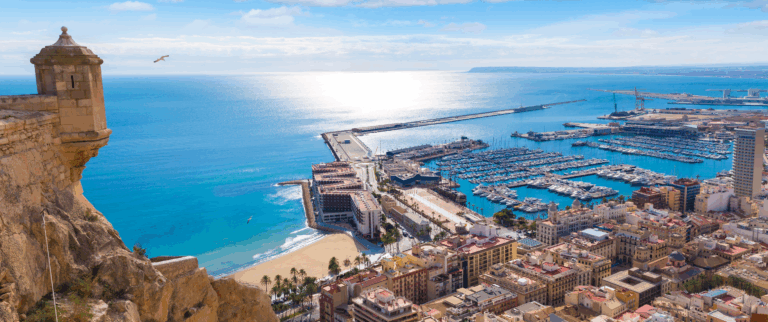
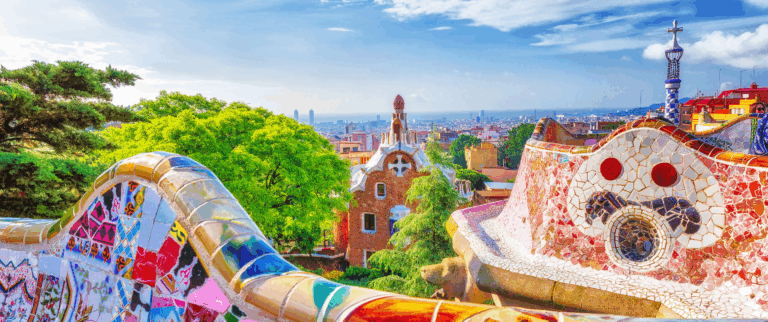
Barcelona
Dynamic, diverse, vibrant and cool city with a unique cultural heritage.
San Sebastian – What You Need to Know
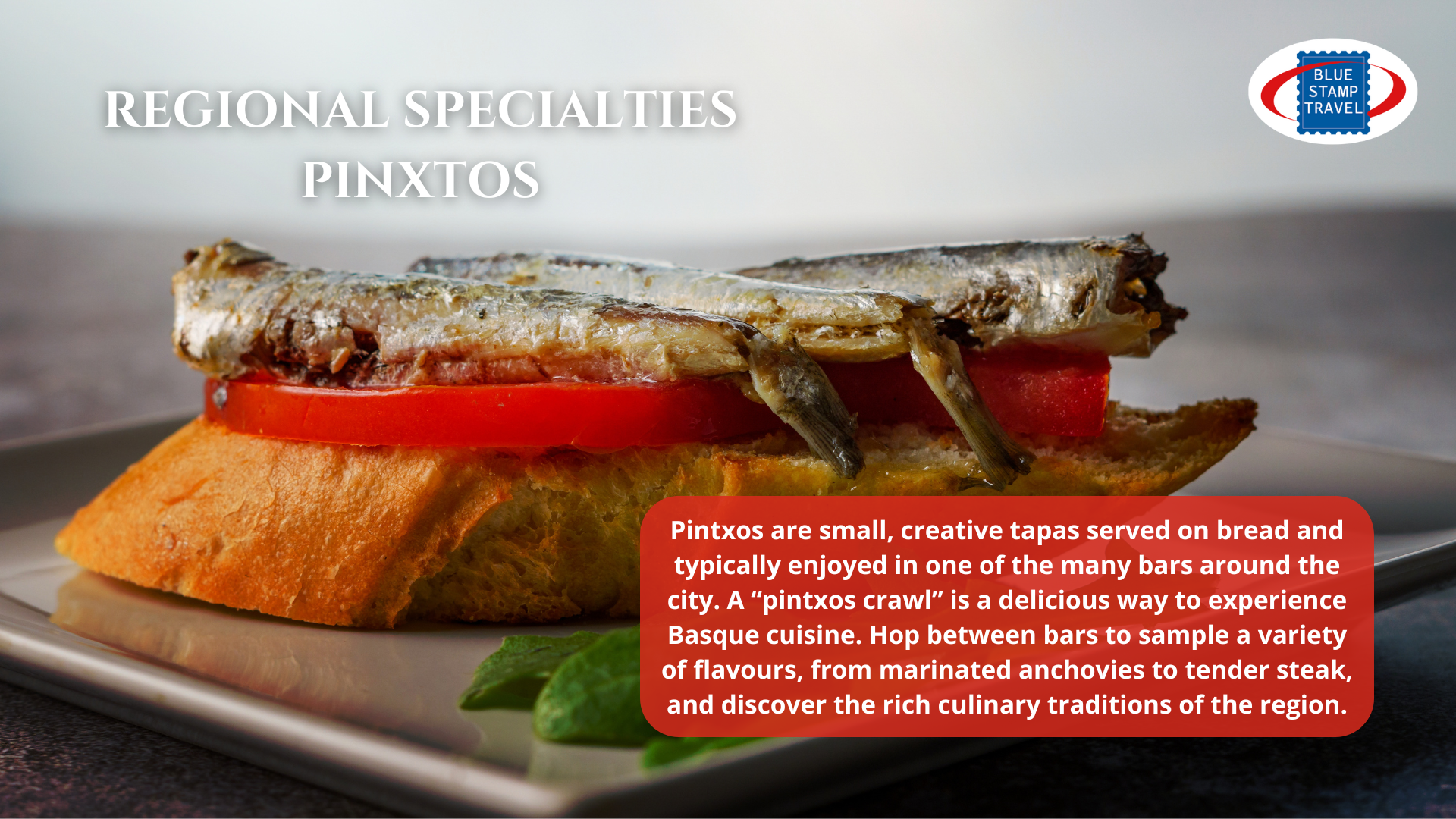
To many people, the city of San Sebastián immediately calls to mind fine dining and a thriving culture of gastronomy. With more Michelin stars per capita than any city in Europe, San Sebastián is a fine diner’s paradise, but visitors also flock to the many tiny bars in the Parte Vieja which serve delicious, freshly made “pintxos” all day and night. Pop into one bar, graze a little, then move onto the next!
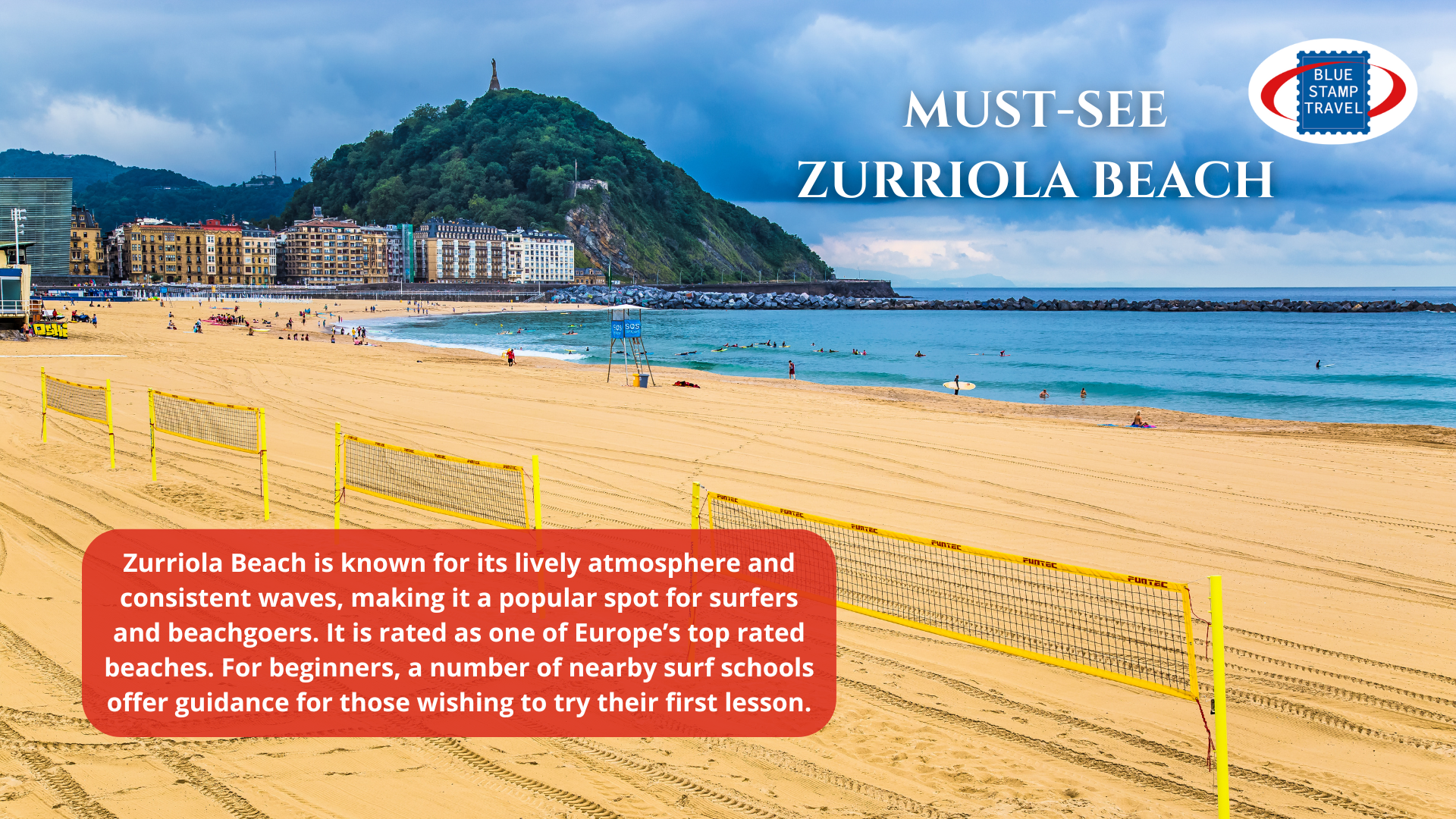
San Sebastián is also famous for the surf on Zurriola Beach, which offers consistently good conditions all year round. Several surf schools on the beach are ideal for beginners to get a taste of surfing.
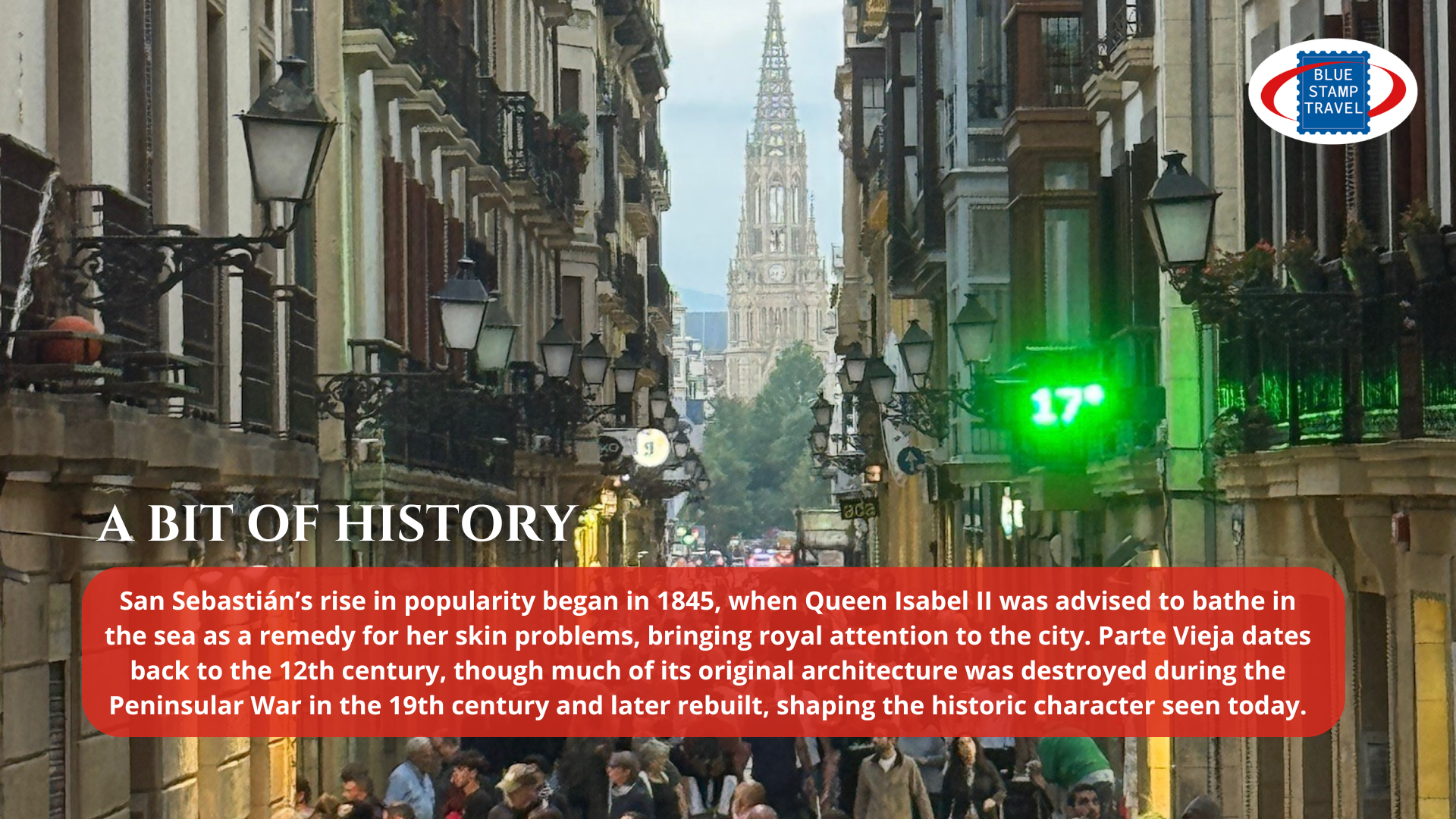
The city of San Sebastián began to flourish as a resort in the second half of the Nineteenth Century as the great and the good of Europe’s capitals were attracted by the temperate climate and sheltered bathing on offer in La Concha Bay. The modern city benefits from this legacy in the fine Belle Epoque architecture, with elegant buildings standing on gracious tree-lined avenues where some of the world’s most exclusive brands are on sale in high-end boutiques.
Although San Sebastián has a small airport of its own, the closest international airport in Spain is Bilbao, which is served by flights from across Europe and the UK. The 105km journey takes just over an hour by one of the regular coach services that connect the cities.
As the crow flies, the closest airport to San Sebastián is actually in France at nearby Biarritz, with easy shuttle services covering the 50km route.
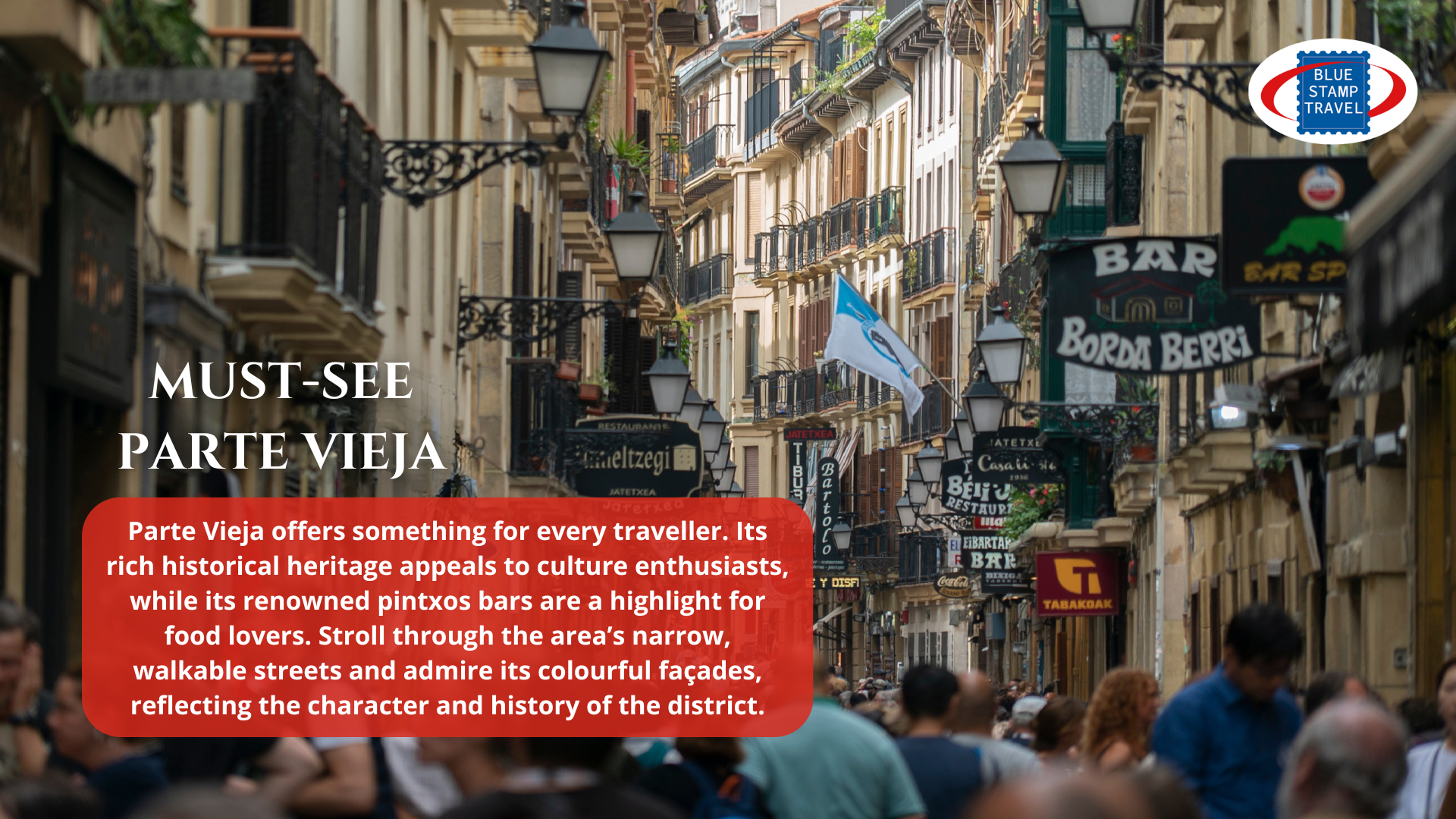
Any visit to San Sebastián should include an afternoon or evening grazing your way around the countless tiny bars that line the streets of the old town, which serve tempting fresh pintxos. Sample a delicious bite in one bar, then move on to the next – each bar has its own specialities.
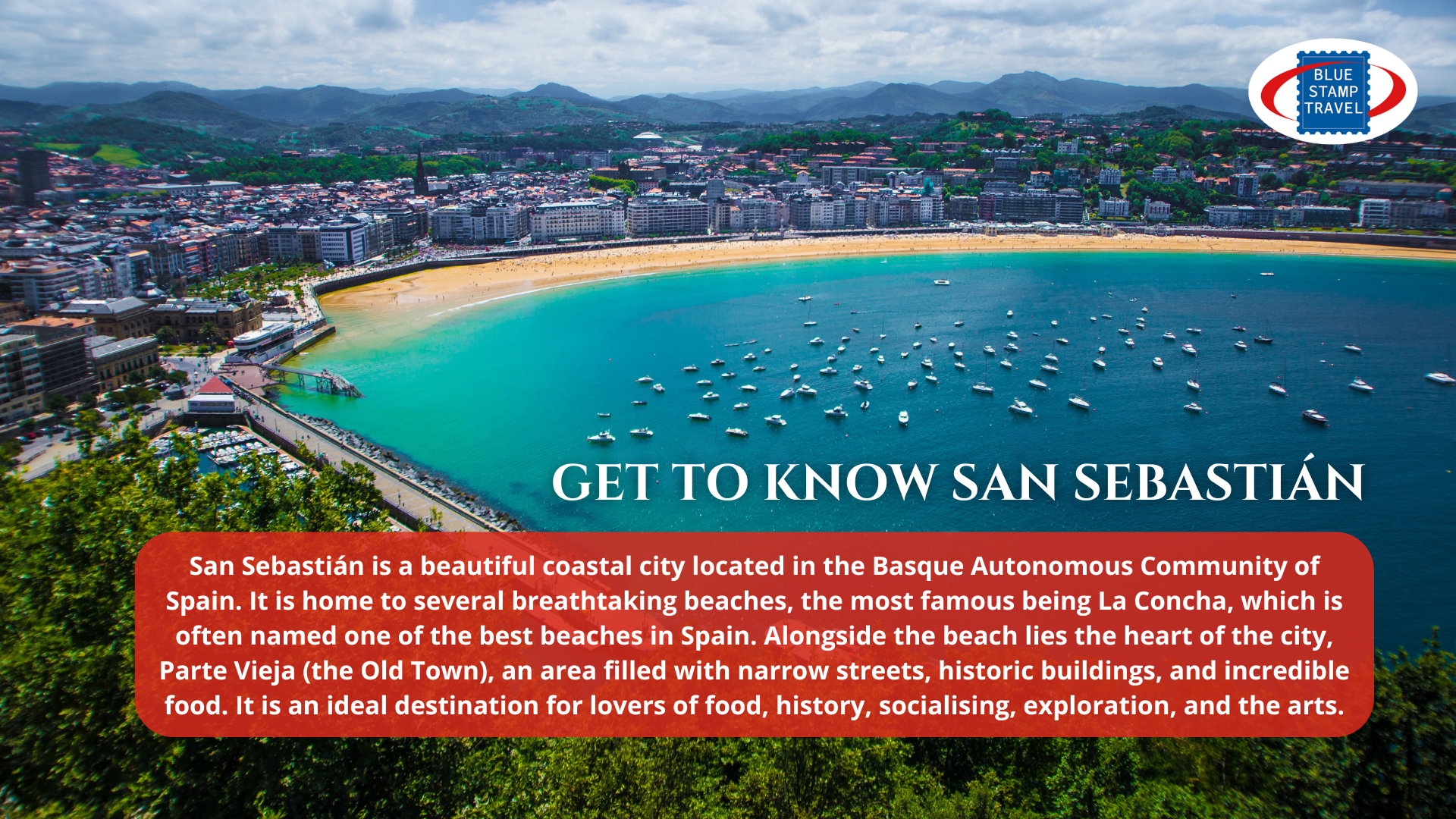
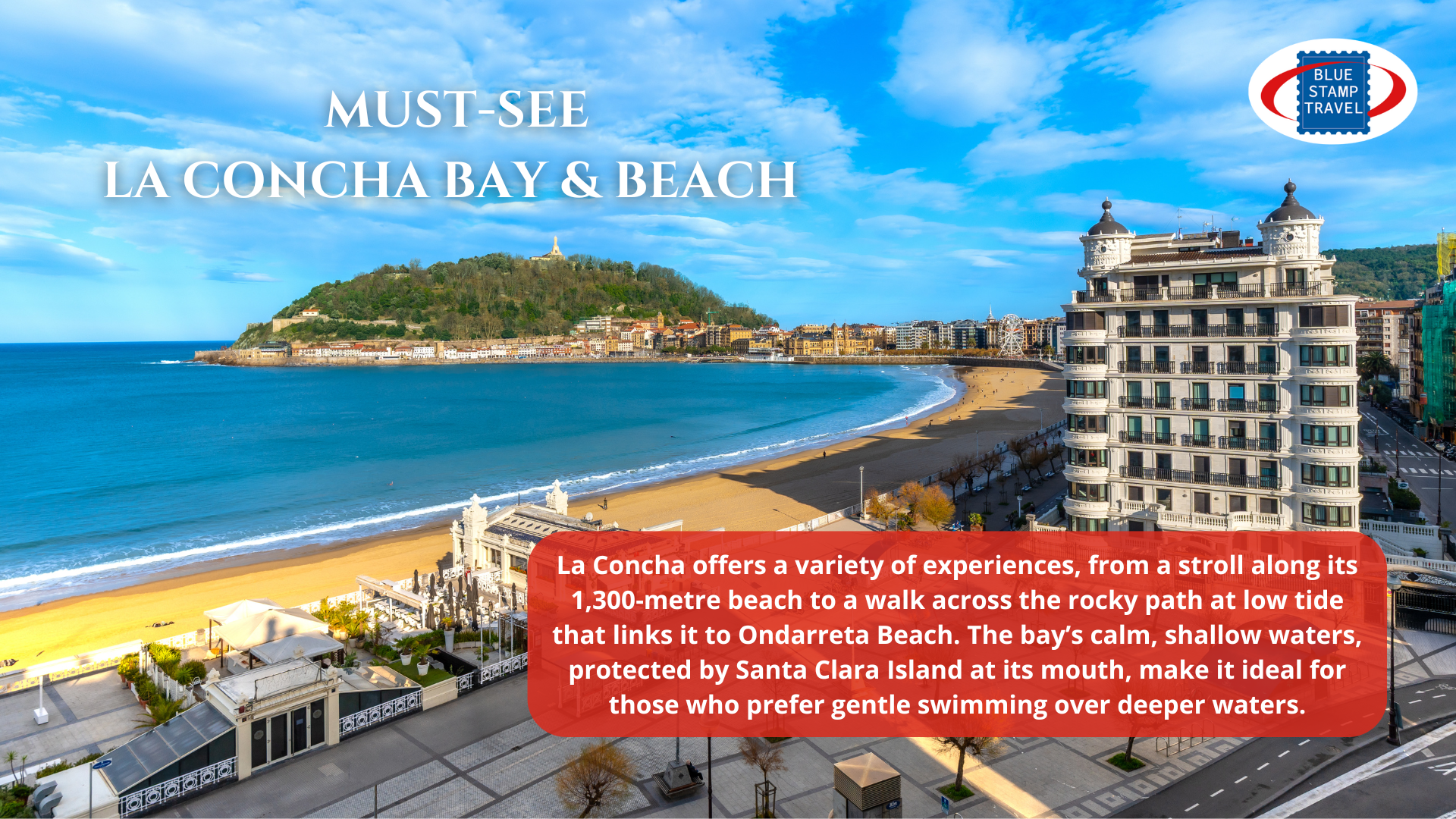
La Concha beach benefits from a sheltered position, making it a warm and attractive spot for sunbathing. The shallow, calm waters of the bay are a popular spot for swimming. For surfing, head to Zurriola Beach, where the waves roll in from the Bay of Biscay all year round.
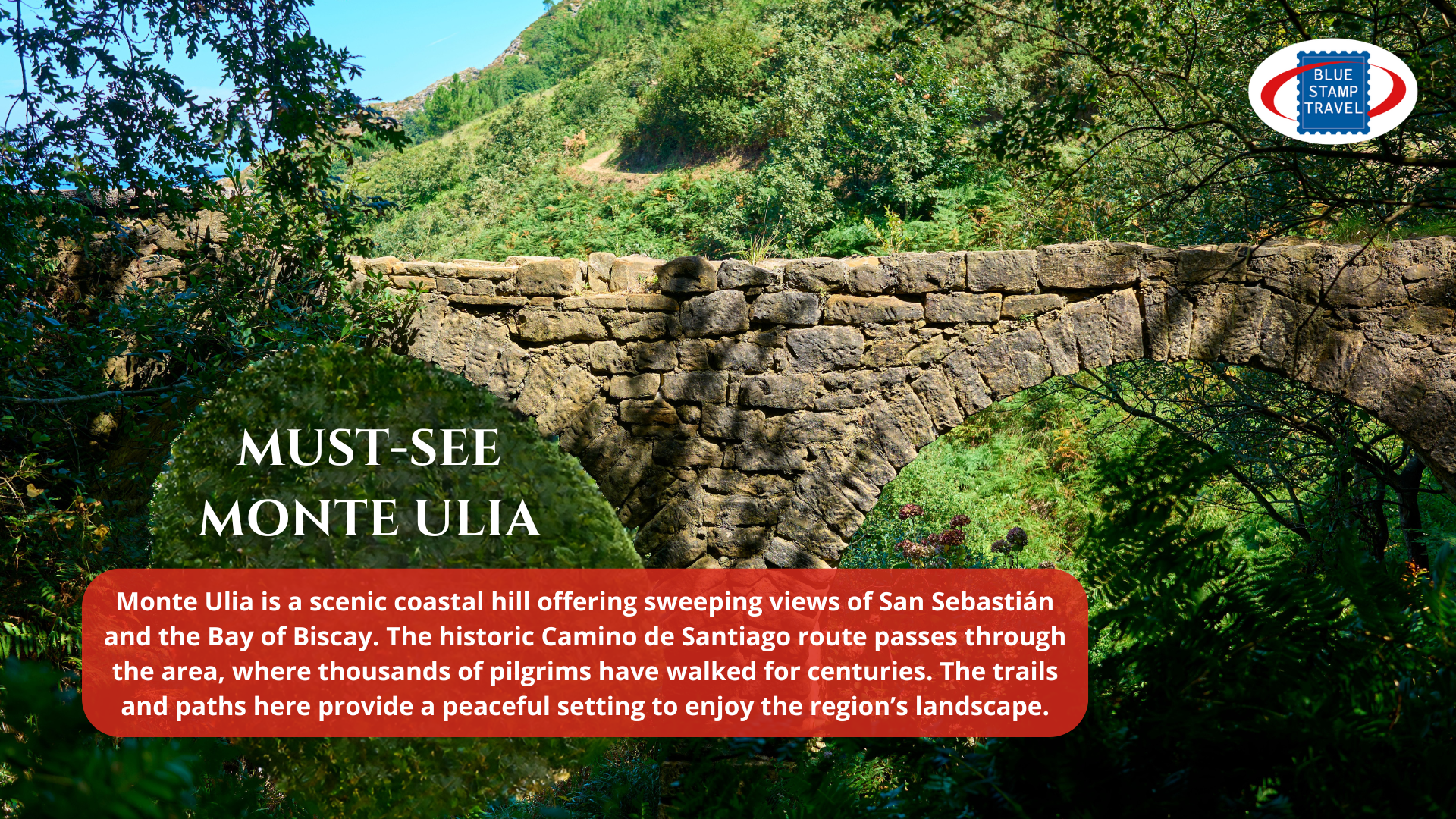
Nature lovers can enjoy hiking the many paths and trails in the area. Monte Ulia is a popular spot, which offers shady paths and an attractive walk to the villages of San Pedro and Donibane (and you can return by bus if your feet are sore).
Lastly, a trip to the Monte Igueldo theme park is a must. Ascend the hill on the old-fashioned funicular railway and enjoy classic fairground attractions with great views over the city!
Boasting no fewer than 13 Michelin-starred restaurants (including no fewer than three that hold three of the coveted awards), San Sebastian does have a reputation as a playground for the rich and famous.
However, you don’t have to dine on caviar and pulverised monkfish every day, and a Spanish language course in San Sebastián is no more expensive than other popular Spanish cities. Staying in host accommodation is a great way to keep costs down, and the language school runs an exciting programme of free and low-cost activities so you get the most out of your stay without breaking the bank.
San Sebastián’s compact size also makes it easy to get around on foot, saving you the cost of public transport during your time there.
As one of the major cities of the Basque region of Spain, San Sebastián is proud of its heritage, and you will see and hear the Basque language everywhere you go. The Basque language is unique in Europe, and is believed to have no connections to any other European languages.
Castilian Spanish is spoken as the official language of the city, and all teachers at the language school are native Castilian speakers, and you will be able to interact with everyone you encounter by speaking Spanish.
We’ll be honest: it can be pretty wet in San Sebastián. November is the rainiest month, with an average of 165mm of rainfall, and you can expect showers even in high summer. In other words – pack a lightweight raincoat for your stay.
The benefit to the city’s temperate climate is that a visit in the summer months avoids the at times extreme heat of cities further south and inland, where temperatures can top 40°. Expect temperatures in the low 20’s.
San Sebastián can be busy during peak season in July and August, but if you’re planning a language course at Easter or in May half term, you will find the city less crowded and temperatures pleasantly warm, averaging around 17°.
If you want to combine your language course with surfing, autumn and winter offer the best conditions.
The Jazz Festival in July and Film Festival in September attract large numbers of visitors to the city and can make finding hotel or hostel beds difficult. Homestay accommodation is the perfect solution if you’re planning a language course during these periods.