
My experience at Las Fallas in Valencia
Imagine an entire city turning into an open-air museum, a non-stop celebration, and a fireworks show all at once. That’s exactly what happens every March in Valencia, when one of Spain’s most iconic festivals takes over the streets.
Las Fallas, held from the 15th to the 19th of March, is a celebration in honour of Saint Joseph, the patron saint of carpenters. Its origins date back to the 18th century, when local carpenters would burn old wood and materials they no longer needed to mark the end of winter. Over time, these simple bonfires evolved into something far more creative.
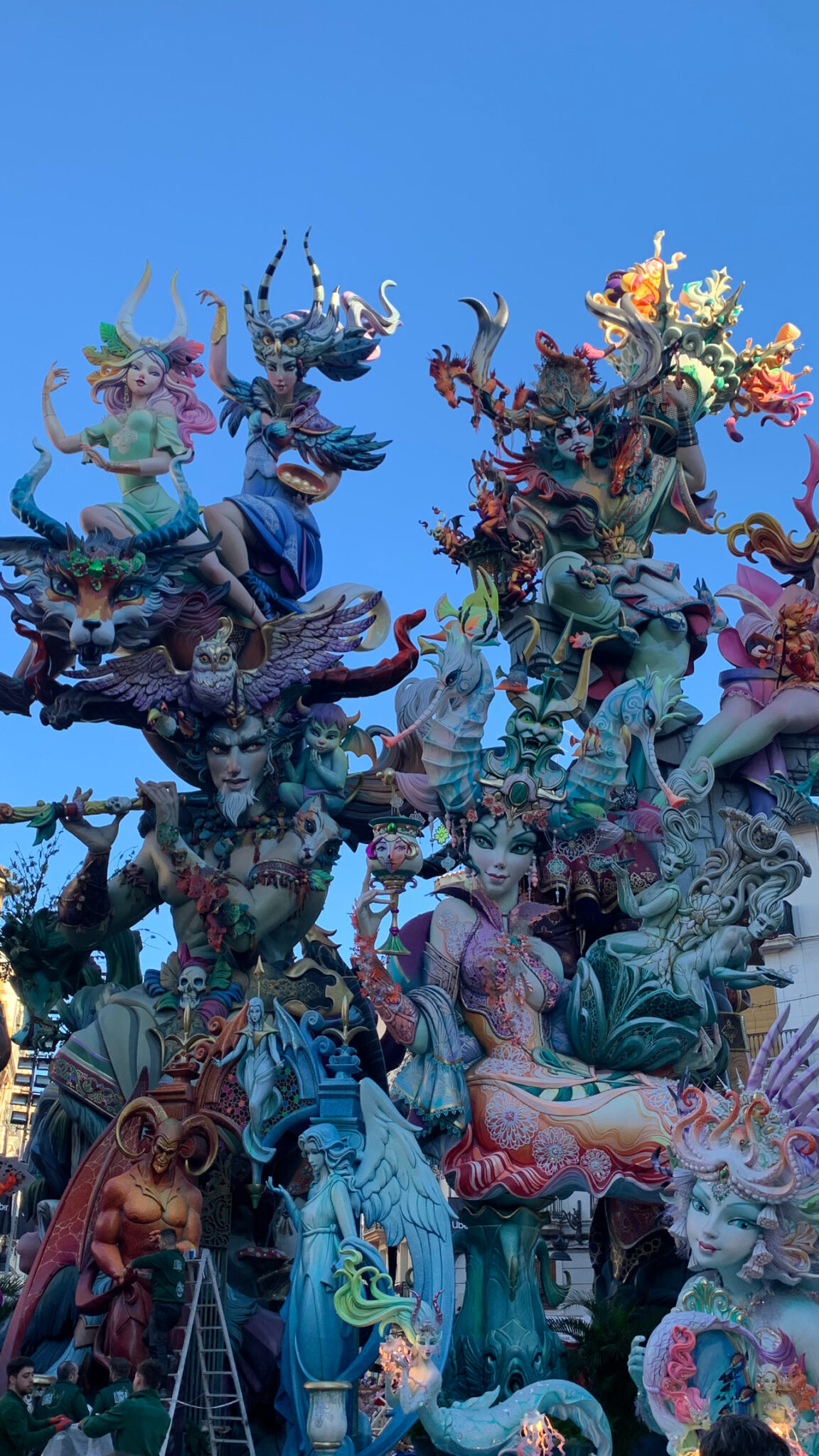
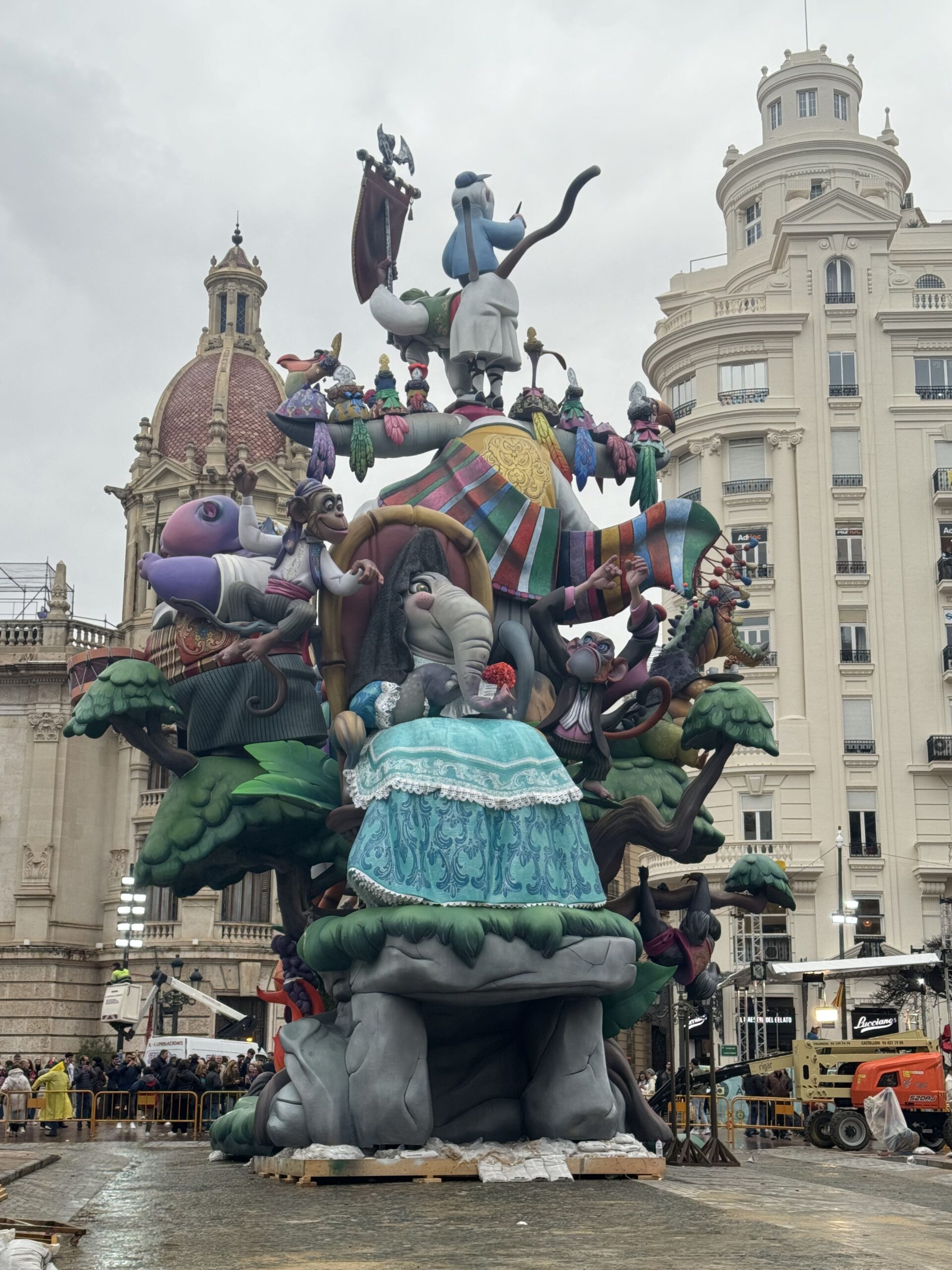
People began shaping these materials into figures, which eventually became the famous ninots, which are large, colourful sculptures that often represent satirical scenes or current events. Today, these monuments are true works of art, some reaching impressive heights and taking an entire year to design and build.
A city transformed
Although the main celebrations take place over five days, the atmosphere starts building much earlier. The official beginning is marked by La Crida, usually held at the end of February. From Las Torres de Serranos, the Fallera Mayor invites everyone to take part in the festival, and it really feels like the whole city is being called to celebrate. From that moment, you can already sense that something special is on its way.
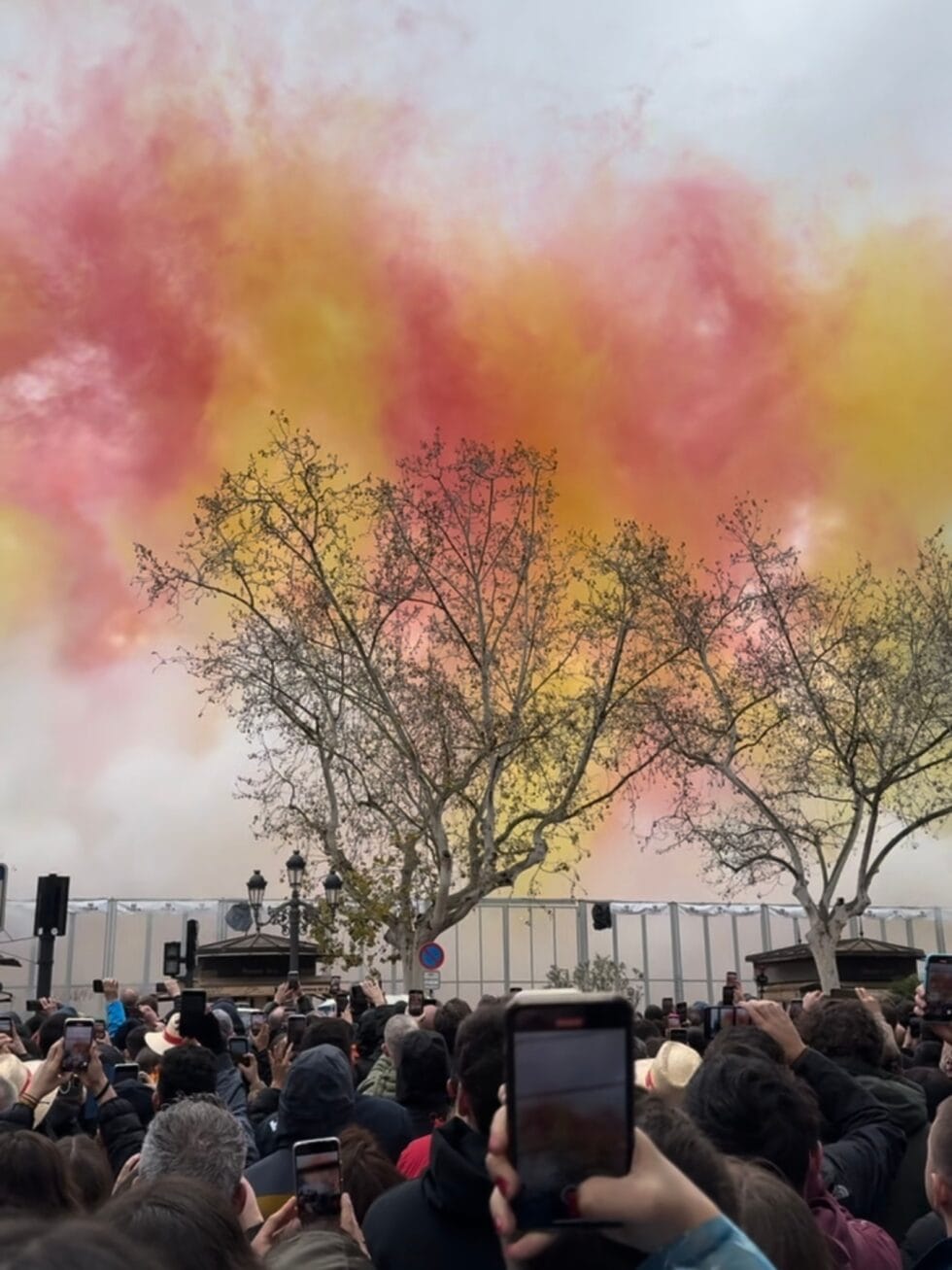
From the 1st of March, the daily mascletà adds to that growing excitement. This is less about visual fireworks and more about sound. Every afternoon at 2pm, the city centre fills with an intense, rhythmic explosion of firecrackers that you can feel through your whole body.
By the time the 15th arrives, Valencia is completely transformed. Over 700 fallas are set up across the city, turning every street corner into part of a huge outdoor exhibition. Each neighbourhood works all year round to prepare their own monument, which adds to the strong community feel of the festival.
During these days, the city becomes almost entirely pedestrian, making it perfect for wandering around, discovering different fallas, and soaking up the atmosphere. There’s always music playing, people gathering in the streets, and something happening wherever you go.
My experience
I lived in Valencia for three years, and I went to Las Fallas every single year. Even now that I don’t live there anymore, I still go back, and I honestly don’t think I’ll ever stop.
At the time, I used to get a bit annoyed waking up early to the constant sound of firecrackers going off. Kids would already be outside playing with them first thing in the morning, and there was no chance of going back to sleep. Now, it’s actually something I really miss, it’s part of what makes the festival feel so alive.
One of my favourite things to do was going to the mascletà, then sitting in the sun afterwards and enjoying a paella. It’s such a simple plan, but it never gets old. After that, I’d spend hours walking around the city, just taking in the fallas and the atmosphere. The centre is always full of life, with charangas (brass bands) playing on different streets and people dancing wherever you look. There’s this constant buzz that’s hard to describe unless you’ve experienced it yourself.
And of course, La Cremà is something really special that everyone should experience. On the 19th of March, the entire city gathers as the fallas are set on fire one by one, lighting up the night. It’s an incredible moment; emotional, intense, and slightly surreal, and you can really feel how much it means to the locals. It marks the end of the festival.
Why you should experience it
Las Fallas isn’t just a festival, it’s a mix of history, art, tradition and pure energy. It’s no surprise it has been recognised by UNESCO as part of the world’s intangible cultural heritage.
If you’re thinking of going, one of the best things you can do is speak to someone who knows Valencia or has experienced the festival before. It makes a huge difference to understand what to expect and how to make the most of it.
But above all, just go with an open mind. It’s loud, busy, and a bit chaotic at times, but that’s exactly what makes it so unforgettable.
If you’d like to experience Las Fallas, why not book a study or work experience trip to Valencia while the festival is being held? Embracing culture allows you to see your target language in its context and takes your language skills to a whole new level!