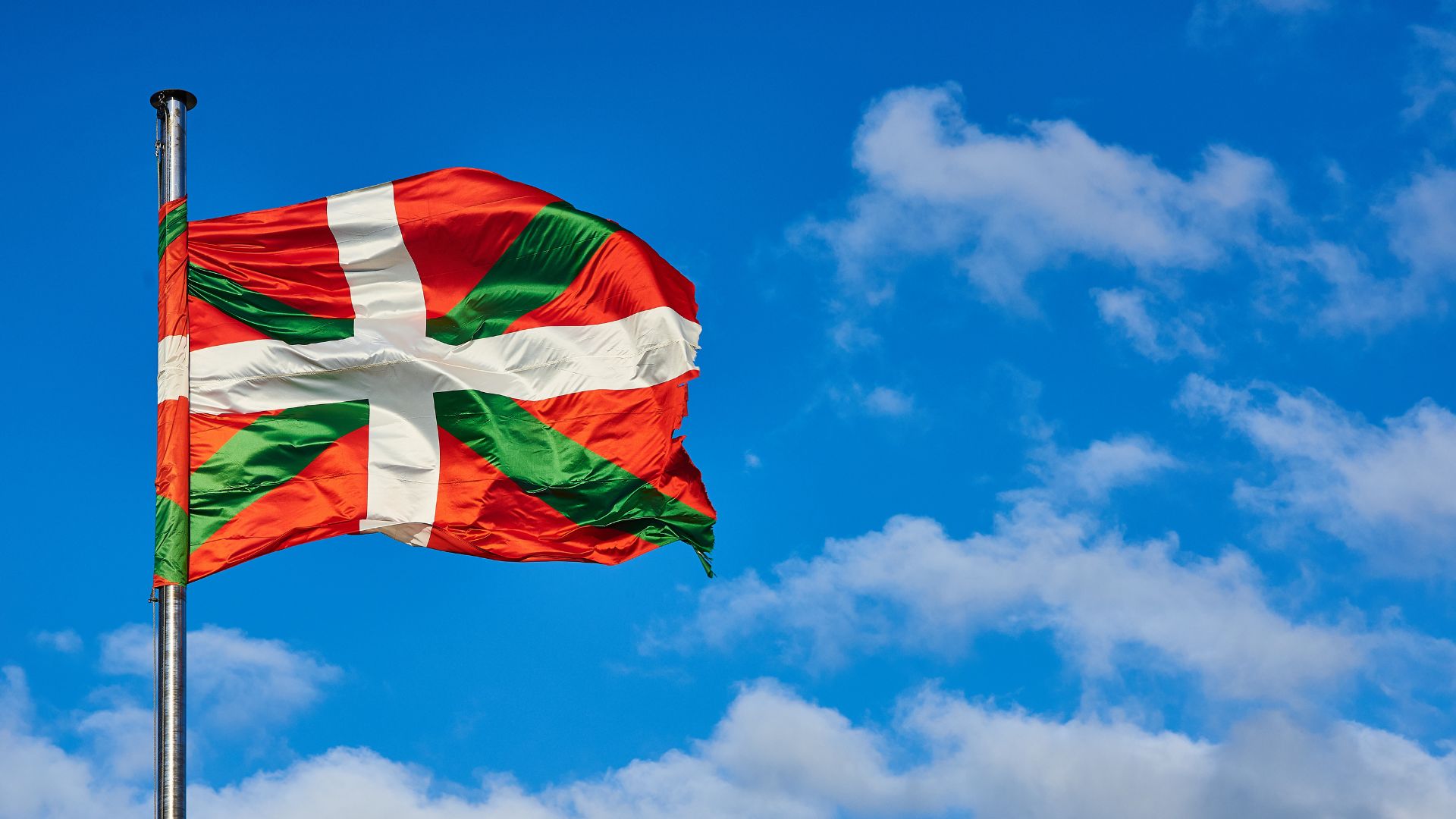
An introduction to Euskara, the Basque language
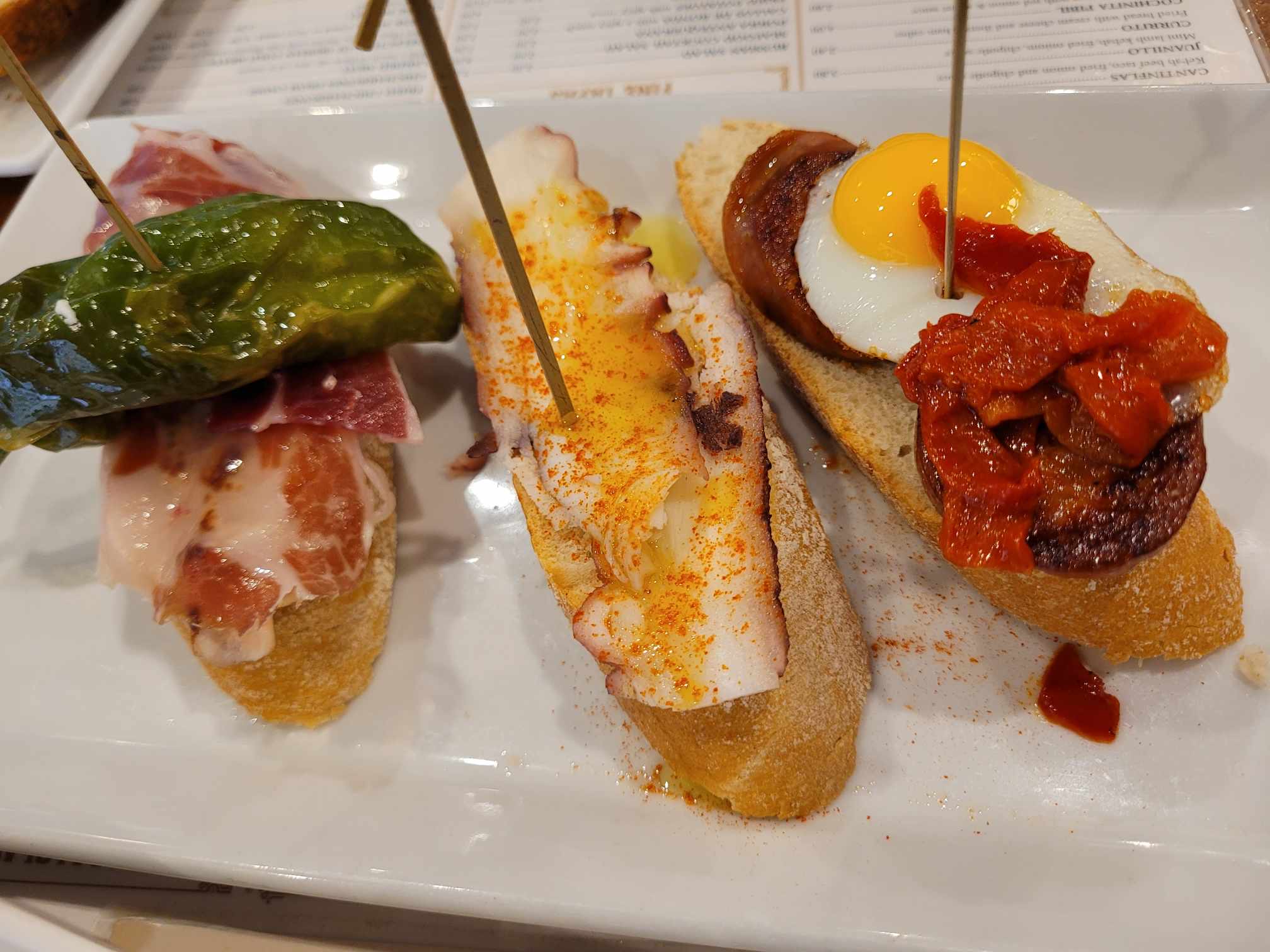
The Basque Country, also known as Euskadi, is an autonomous community in the north of Spain. It is famous for its rich cultural traditions, its incredible gastronomy (the pintxos are an absolute must), and its unique language: Euskara.
Unlike Castilian Spanish, which developed from Latin, Euskara has completely different roots. Its sound and vocabulary are entirely distinct, which is why many visitors are surprised when they first hear it spoken.
The mystery of its origin
Euskara is a unique and fascinating language that is truly worth discovering. It is considered one of the oldest living languages in Europe and the only language isolate on the continent, meaning it has no proven connection to any other language in the world.
Its origins remain a mystery, as it does not belong to any known linguistic family. Around two thousand years ago, in parts of Navarre and Aquitaine, people spoke what is believed to be an early form of Euskara, supported by epigraphic evidence.
Suppression during the Franco Regime
The end of the Spanish Civil War and the beginning of Franco’s dictatorship led to the prohibition of the public use of Euskara, reducing the presence of the Basque language in public life.
In May 1937, Francoist authorities ordered that anyone who broke this prohibition should be reported. Euskara was banned in the streets, in schools, in civil registries, in churches and even on gravestones.
Throughout the dictatorship (1939–1975), the use of Euskara in official contexts was almost completely eliminated. Speaking it in public could result in sanctions, forcing many people to use Castilian Spanish.
After Franco’s death and Spain’s transition to democracy, the language gradually began to recover.
Euskara in education
With the start of the democratic transition, Euskara began a process of recovery and normalisation. Following the Spanish Constitution of 1978 and the Statute of Autonomy of 1979, Euskara became co-official alongside Castilian Spanish in the Basque Autonomous Community.
Thanks to institutional support and social commitment, the language was reintroduced into schools, and a unified standard form, Euskara Batua, was developed.
Today, Euskara is used as a language of instruction at all educational levels, in both public and private schools. Students can study through Euskara in immersion schools known as ikastolas, in public schools, and in state-funded Catholic schools. University studies can also be undertaken in Euskara across the Basque territories.
How many people speak Euskara today?
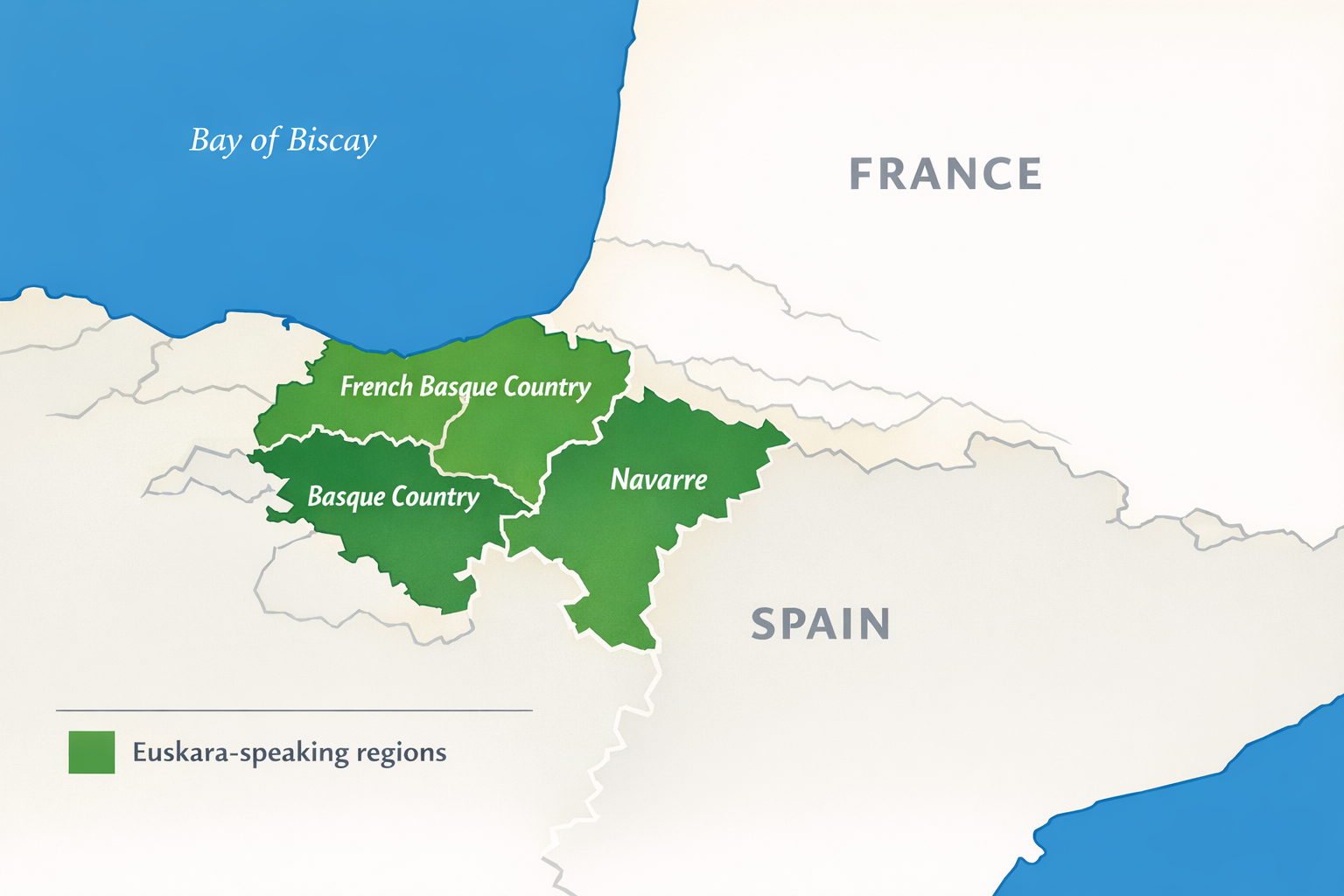
Euskara is spoken in the Spanish Basque Country, in parts of Navarre, and in the French Basque Country in south-west France.
Today, around 800,000 people speak the language, and many more understand it. Gipuzkoa is the province with the highest percentage of Basque speakers.
Although a considerable part of the population does not speak the language, a large proportion of Basque speakers are young people, suggesting a hopeful future for Euskara.
Euskara and Castilian Spanish – what makes them different?
Although both languages coexist in the Basque Country, they are completely unrelated. Castilian Spanish comes from Latin and belongs to the Romance language family. Euskara, on the other hand, is a language isolate with a very different grammatical structure.
This linguistic uniqueness is part of what makes visiting the Basque Country such a culturally rich experience.
Key features of Basque grammar
Unlike Castilian Spanish, Euskara is an agglutinative language. This means that grammatical information is added through suffixes attached to words, rather than using separate words as in Spanish.
Euskara also has no grammatical gender (nouns are not masculine or feminine) which is very different from Spanish, where every noun has a gender.
Another striking difference is word order. While Spanish usually follows a Subject–Verb–Object structure (e.g., Yo hablo español), Basque often places the verb at the end of the sentence.
Key vocabulary for travellers – essential grammar and phrases
- Basic Greetings:
- Kaixo – Hello
- Eskerrik asko – Thank you
- Mesedez – Please
- Barkatu – Excuse me / Sorry
- Agur = Goodbye
For Dining:
- Pintxo – The local term for tapas
- Ura – Water
- On egin – Enjoy your meal
Useful Phrases:
- Ondo pasa! – Have a good time!
- Ez dut ulertzen – I don’t understand
- Nik ez dut euskaraz hitz egiten – I do not speak Basque
- Ingelesez hitz egiten al duzu? – Do you speak English?
If you’re interested in travelling to the Basque country or looking for a unique experience in Spain, why not consider a study travel package abroad with us to San Sebastián, known as Donostia in Basque? Browse our range of packages here and discover more about this exciting destination.