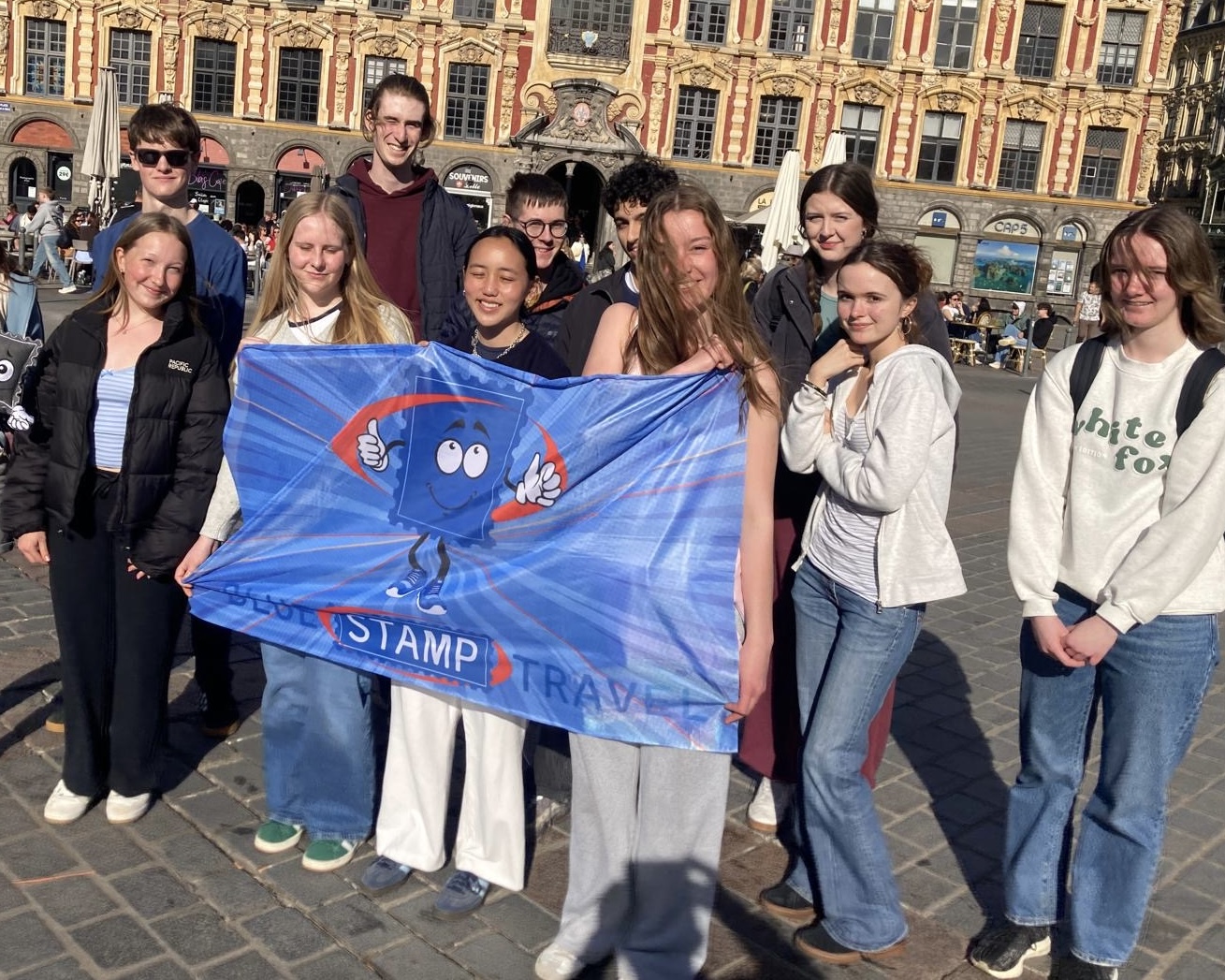
Five reasons why work experience abroad during sixth form could prepare you for university and beyond
Prior to working abroad, I do wish I’d had the opportunity to complete a work experience placement abroad at a younger age, which would have better prepared me for working and studying abroad when at university. There are many reasons why I believe a work placement would have benefitted me greatly and here are the main five.
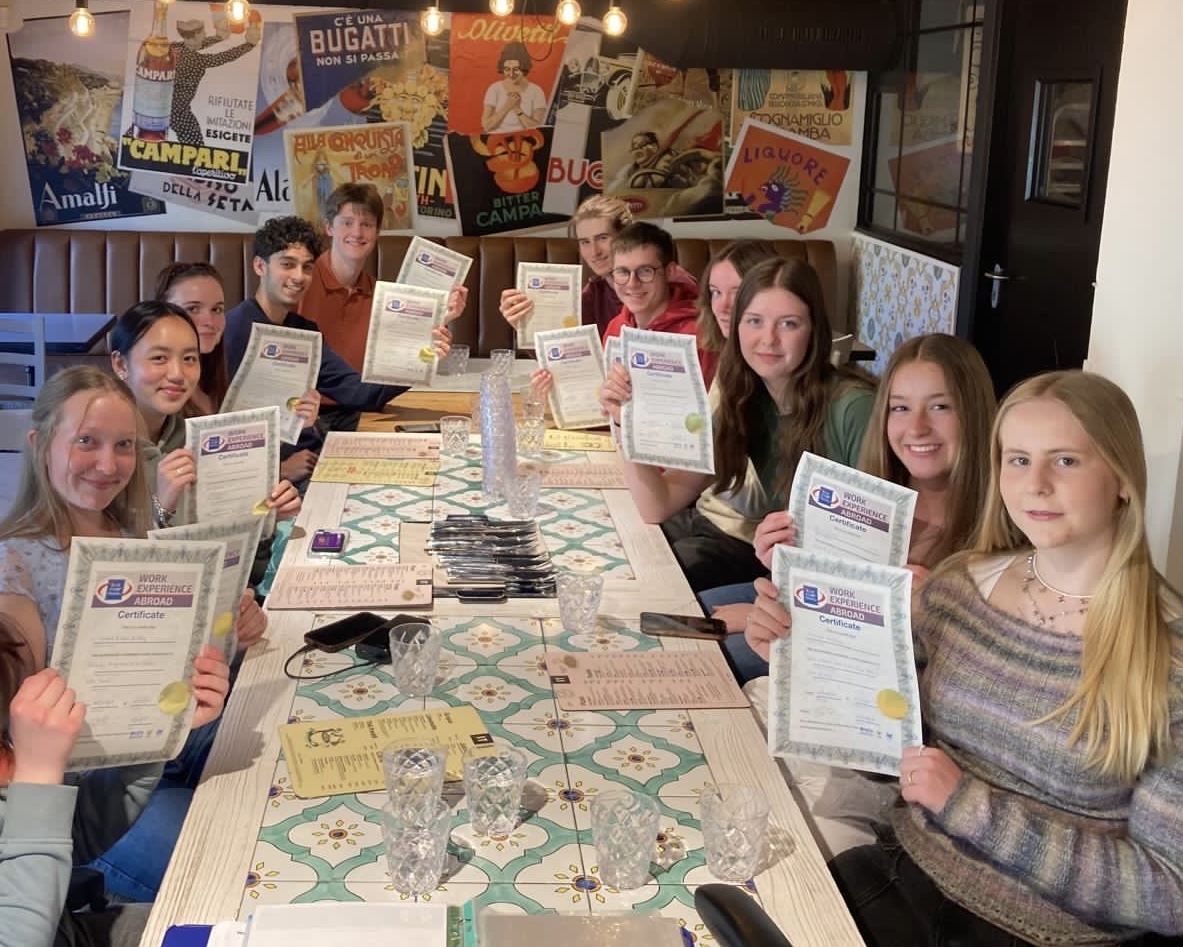
1: A reminder that you’ll need to adapt the language you have learned in the classroom to be able to master everyday conversation
When I first started working at Disneyland Paris back in 2010, I struggled with the French language. After a decade of studying French, I genuinely thought that my French was good. I was receiving high grades at university in my exams and presentations. I thought I would settle in France quickly and would be fully competent using French straight away. However, I couldn’t have been more wrong.
At school and university, I’d been studying specific topics on history, politics, and the environment. I’d not been exposed to everyday French nor had the chance to speak it much. I could deliver presentations on complex subjects, but I quickly realised that I couldn’t master a basic conversation with a native speaker. Classroom French didn’t prepare me for using French at work and in real life situations. I remember being questioned by native French speakers ‘’est-ce que vous parlez français?’’. This was embarrassing and hard hitting. Had all my studies at school gone to waste? The topics I studied had zero benefit when making conversation or when working with my colleagues. Despite Disneyland Paris being an international workplace French was the language used and the French didn’t appreciate those who did not speak a good level of French.
A work experience placement would have made me realise sooner that French learnt in the classroom wasn’t sufficient for conversing with the French. If I’d known I would have spent more time on conversation outside of the classroom, perhaps finding a speaking partner to master the basics.
2: Better prepare yourself for the emotional rollercoaster
You’ll quickly start to realise that learning languages is an emotional rollercoaster. One minute you’ll have the confidence to speak to native speakers and the next minute you won’t have the confidence to speak.
I was so disheartened with my level of French when I first arrived that I contemplated coming home. I could barely understand anything, and my confidence dropped to rock bottom, which meant that I was also scared to talk. Building up the courage to speak to native French speakers in broken French at the beginning took a lot of courage. With grit and determination and continuing in French when some offered to speak in English, I then grew my confidence and was able to understand most things and was able to say almost anything I wanted to. It wasn’t that my French was bad. It was more a matter of adaptation by using new vocabulary and getting used to speaking.
I believe a work experience placement would have better prepared me for this as working in unfamiliar surroundings in an unfamiliar language builds strength and character.
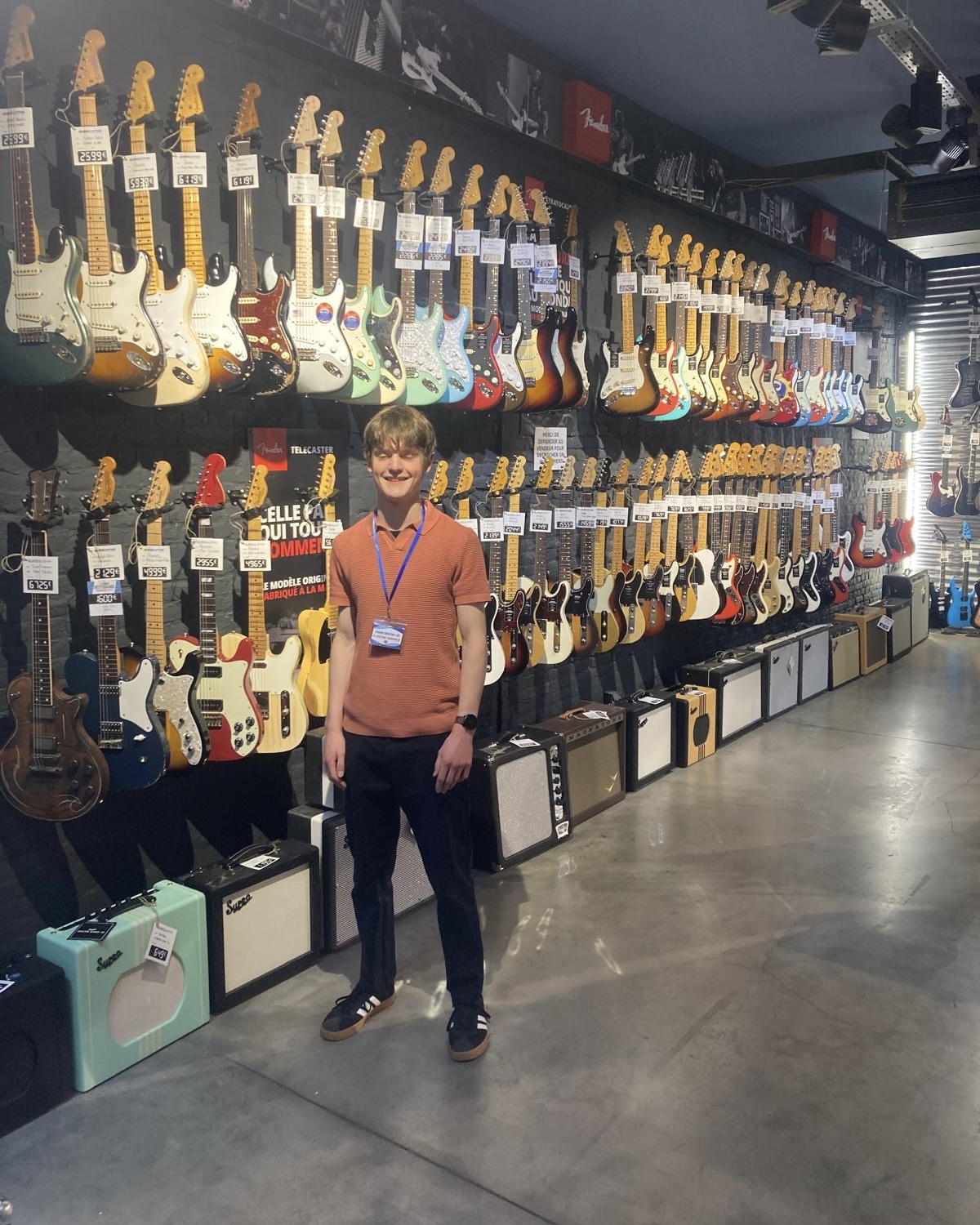
3: Get used to standing on your own two feet
This was the first time I’d lived abroad and the first time I’d lived away from Nottingham. I’d never had to cook for myself, go to the supermarket or navigated around new places alone. Paris was scary at the beginning. I remember navigating my way through Charles de Gaulle Airport and taking the RER B into Paris. This was a challenge. All I remember seeing was never-ending tower blocks, graffiti and lots of strangers on the train. I felt like I’d walked into a scene from La Haine with the HLMs. Paris seemed like an enormous place compared to Nottingham and I felt like a total stranger. I was worried and excited at the same time. Within a short time, I was loving my time in France, whether that was attending our Disney Cast Member Party and going on the rides with colleagues after work or riding the metro and getting off at random stops when exploring Paris.
I believe completing a work experience placement and staying with a host family would have bridged these gaps by giving me a confidence boost and would have helped me to not feel so overwhelmed.
4: Avoid misinterpreting cultural differences
Despite the UK being close to France I felt like a complete foreigner. Everything was different. Things annoyed me at the beginning such as people not holding doors open, not queuing for the bus, not putting the divider down on the till at the supermarket. It took me a while to understand that not all cultures are the same as British culture. There were times where I decided to do my shopping on a Sunday and the supermarket was shut or the supermarket assistant would have a little moan at me for not weighing my fruit and vegetables, which is done for us at the till in the UK.
A work experience trip would have helped me understand that every culture differs and there are advantages and disadvantages in each one. It took me a while to adapt and then things got a lot better.
5: Adapting to unfamiliar environments
Settling into a new place was difficult at the beginning. There were many unknowns. You’ve left your family for the first time; you don’t know anybody or don’t know where the nearest supermarket is. These unknowns can become very overwhelming, and it can take time to settle. A work experience placement would have given me a taster of this and settling into somewhere new would have been less stressful.
Conclusion
A work placement would have mentally prepared me better for going abroad during my university years, would have made me realise that I needed to work on conversational French and would have made me realise that cultures differ.
If you’re in sixth form and considering a work placement abroad, visit our Work Experience Abroad page to find out how Blue Stamp can help. You can also watch our explainer video to learn more about how the trip works.